There’s a different kind of quiet in the garden now.
Not the heavy stillness of high summer, but something gentler. The kind of hush that comes when the light begins to soften and the bees, once frantic in their buzzing, move more slowly between flowers.
It feels like nature is taking a breath.
And I’ve been trying to follow its lead.
Watering gently. Watching the birds feast on the seedheads I’ve resisted clearing. Letting my days unfold with less rush, and more noticing.
The late summer garden doesn’t demand attention.
It simply asks for presence.
If you’re craving a slower way to garden, one that supports wildlife, nurtures wellbeing, and welcomes seasonal rhythms, here are a few ways to begin.
Garden Notes for August
August is a transition, as we move through the final stretch of summer into the quiet beginning of something new. It’s a time to let go of perfection, lean into presence, and allow the garden to guide you.
Here’s how I’m tending to mine this month.
Let go of tidiness.
Let your garden be a little wild – it’s more than okay, it’s actually better for wildlife. Leave spent blooms and seedheads in place… finches, wrens, and other wildlife will thank you as many spent blooms offer food or shelter as they fade. While the birds find solace here, the insects are beginning to seek shelter too so avoid a big clear-out of leaves or plant debris. This is the time to garden with nature, not against it.
1. Leave seedheads and dried flowers
Like teasels, echinacea, poppies, and knapweed. They provide essential seeds for goldfinches, house sparrows, and wrens who rely on them as natural feeders.
2. Skip the major clear-outs.
Dead leaves and hollow stems offer shelter for insects, especially beetles and solitary bees preparing to overwinter. Lightly face up hedges towards the end of the month but be careful not to disturb any nesting birds.
3. Create a ‘messy corner’
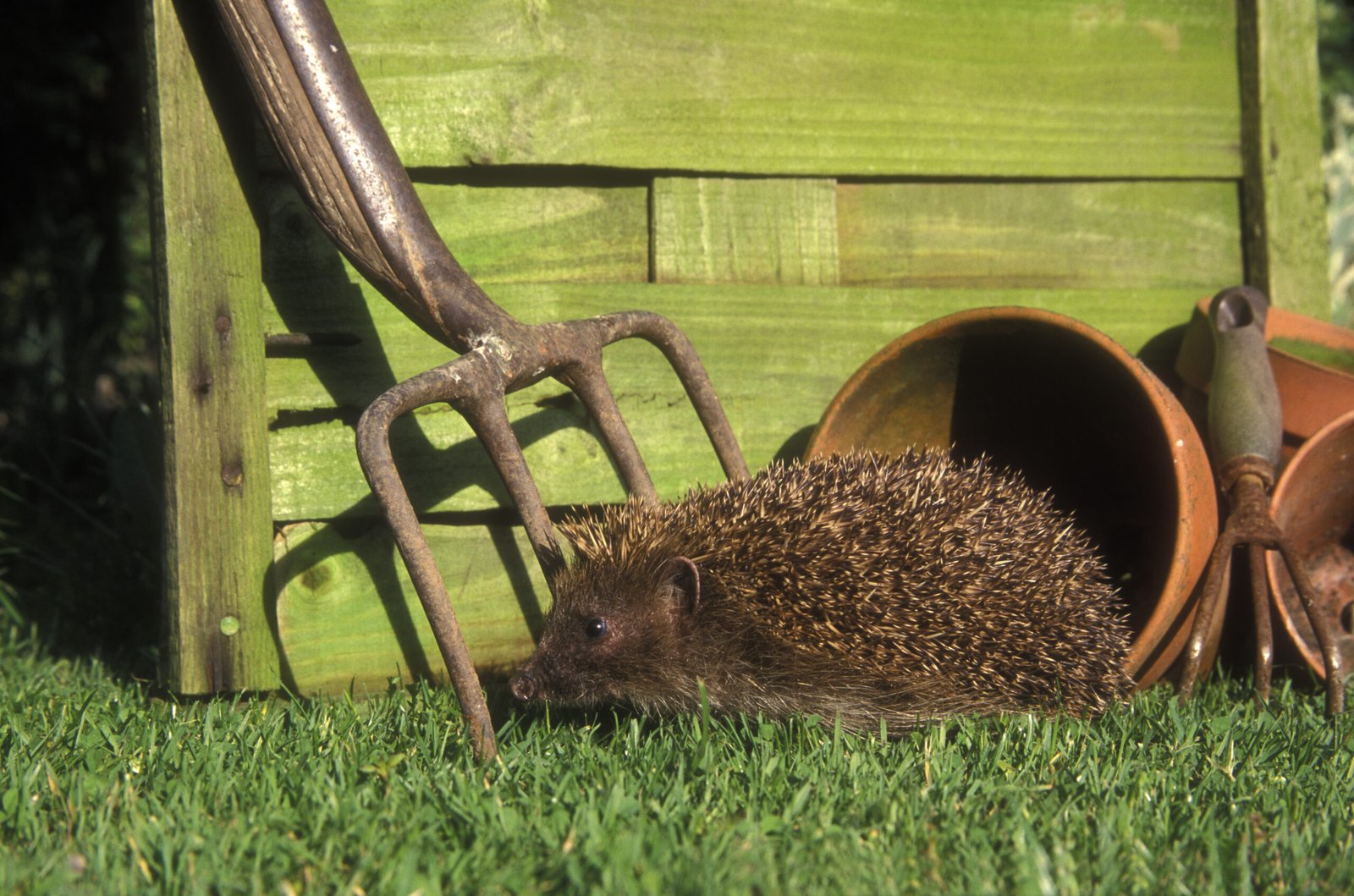
A quiet pile of logs, twigs, or leaf litter where frogs, toads, hedgehogs, or slowworms can hide and rest.
4. Avoid mowing too short.
Keeping some areas of longer grass allows wildflowers to reseed and creates mini ecosystems for bugs and ground-nesting insects.
Tidiness may look nice to us, but to wildlife it can mean the difference between thriving and disappearing.
This is the perfect time to collect seeds from plants and store them in labelled envelopes until you’re ready to sow them… my favourite tip for preparing for the colder months while also looking ahead to a plentiful spring.

Watch for quiet pollinators.
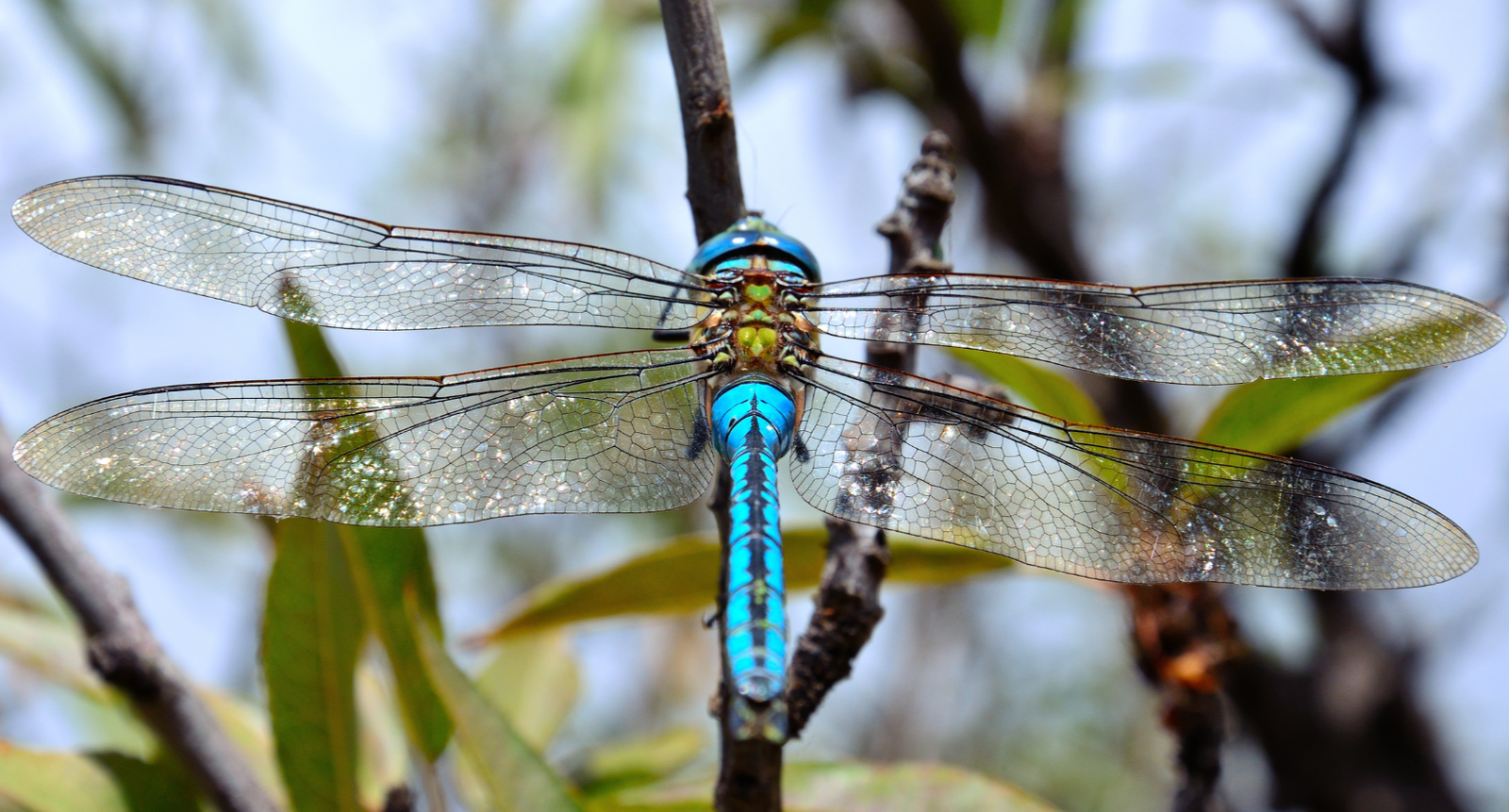
The buzz has slowed but it hasn’t stopped. Butterflies, hoverflies and late-season bees are still visiting, especially where herbs and wildflowers are blooming. Allow some wildflowers and even weeds (like dandelions or thistles) to bloom…they’re surprisingly important nectar sources, or leave shallow water dishes out with small stones for pollinators to sit on as they drink, especially in dry spells.
The best bit? Sit still for five minutes near a flowering patch and see who visits… you might spot something new.
1. Plant or allow flowering herbs
Like mint, oregano, thyme, and lemon balm to bloom freely… late-season bees and butterflies love them.
2. Let wildflowers and ‘weeds’ bloom
Dandelions, thistles, and even ragwort (in controlled quantities) provide critical food in a nectar-scarce time.
3. Provide water
As a shallow dish filled with clean water and some pebbles creates a safe place for insects to drink and rest. Continue watering plants in containers and/or those that aren’t established. Give wildlife fresh water too, and if you have a pond, keep topping it up.
4. Look closely at flowers
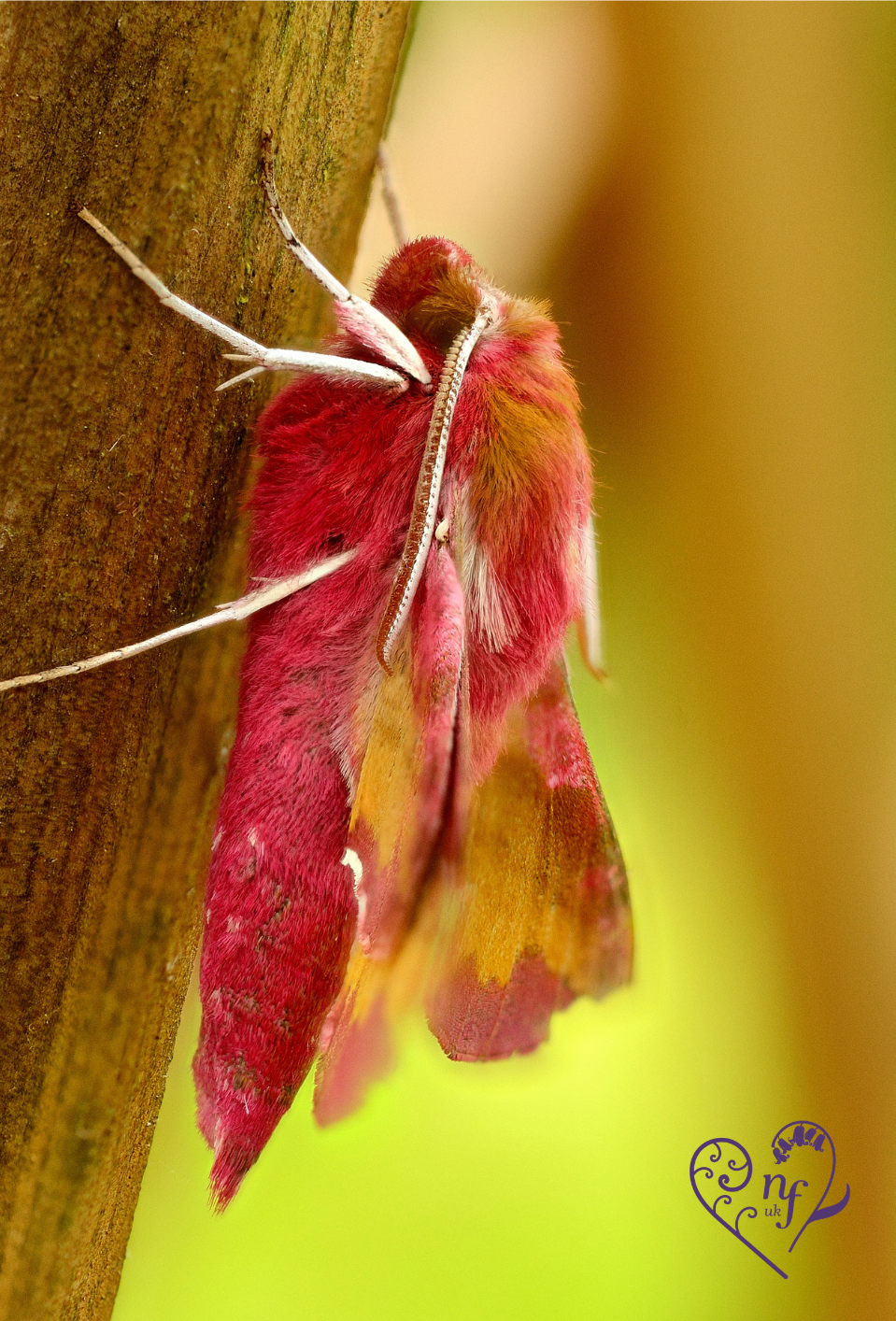
And you may spot tiny pollinators like hoverflies, metallic-coloured solitary bees, or day-flying moths doing their quiet work.
5. Sit in stillness
A few minutes of watching one patch of flowers can bring more joy than an hour of gardening tasks.
The quieter visitors often go unnoticed, but they are some of the most important.

Dry more herbs.
If you haven’t yet, now’s the time. Hang up rosemary, thyme, mint or oregano in small bundles somewhere shaded and breezy. You’ll have a fragrant reminder of summer well into winter.
1. Harvest in the morning,
Just after dew has dried but before the sun gets too hot. That’s when essential oils are most concentrated.
2. Choose healthy, unblemished stems
Avoid harvesting from plants that are stressed or flowering heavily.
3. Dry in bundles or on trays
In a dark, well-ventilated space like an airing cupboard, garage, or shaded porch.
4. Label your jars
With name and date as many herbs lose potency after a year, and it helps you build your seasonal pantry with purpose.
5. Use creatively.
Crumble mint into teas or cold water infusions, add rosemary to home-baked bread, sprinkle thyme on roasted veg… or simply hang a few bundles near the back door for the scent alone.
If you’re feeling low-energy but still want to connect with your garden, herb drying is a beautifully low-effort ritual.

Recipe: Grilled Peaches with Mint & Yoghurt
A celebration of summer’s slow sweetness
Sometimes the best recipes are the simplest: just a few fresh ingredients, a little heat, and something fragrant from the garden.
You’ll need:
– 2 ripe peaches
– Olive oil
– 4 tbsp yoghurt or plant-based alternative
– Fresh mint leaves
– Honey or maple syrup
To Make:
- Halve and stone the peaches, then brush with olive oil.
- Grill or griddle for 2–3 minutes per side until golden and soft.
- Serve warm with yoghurt, torn mint leaves, and a drizzle of honey or syrup.
Eat outside if you can. It tastes like golden hour on a plate.
Looking Ahead to the Beauty of Autumn
Though summer still lingers, there’s a new energy in the air.
The evenings glow with golden light. The air smells different… like apples and earth. The garden is preparing, and so are we.
At the end of this month, we’ll be releasing our Autumn Wildlife Gardener’s Journal: a gentle, beautifully illustrated guide to help you connect with your space through September, October, and November.
Whether your garden is a wild patch, a balcony filled with pots, or a shared green space, this journal will guide you with:
- Thoughtful monthly prompts
- Wildlife gardening tips
- Planting suggestions for pollinators
- Seasonal inspiration and reflections
- Space to sketch, observe, and track your garden’s changes
It’s designed not to overwhelm, but to gently encourage your connection to nature as the seasons turn.
If you’re longing for:
- A more mindful approach to gardening
- A creative way to stay grounded as the nights grow darker
- A seasonal rhythm that values joy over perfection…
Then this journal is for you.
Keep an eye on our socials for the release date… we can’t wait to share it with you.
Or to be the first to see the release, and for regular letters from my garden straight to your inbox, sign up to my newsletter:
Wishing you stillness, softness, and a garden that gives back.
Clare