Wildlife photography often brings to mind big cameras, expensive lenses and hours of trekking through forests. But here’s the good news: you don’t need professional gear to start capturing the beauty of nature. With today’s mobile phones, you can photograph birds, insects, mammals and plants with surprising quality.
Whether you’re in your garden, a local park or on a countryside walk, your phone is a powerful tool for documenting the wild world around you.
Why mobile phones work well for wildlife photography
Always to hand – You carry your phone everywhere, which makes it easy to capture unexpected encounters.
Decent quality – Modern smartphones have sharp cameras, clever zoom and lovely colour reproduction.
Less intimidating – A phone is quieter and less obtrusive than a long lens, so you’re less likely to disturb wildlife.
Quick editing – Built-in apps let you tweak your shots straight away.
Of course, there’s a catch. Phones eat through their batteries when you’re snapping away, and wildlife can keep you waiting. It’s heartbreaking when the perfect moment unfolds in front of you, only for your phone to die. (I speak from experience… more than once!) If you plan on heading out for a while, keep your phone fully charged and, if possible, carry a portable power bank. That way, you won’t miss out when your subject finally decides to treat you to an extended show.

Tips for photographing wildlife with your phone
Get close, but respect boundaries
Walk closer if you can rather than relying on heavy zoom, which often reduces quality. That said, don’t push it. It’s better to keep the animal comfortable and capture a natural moment from a little further away.
Start with insects
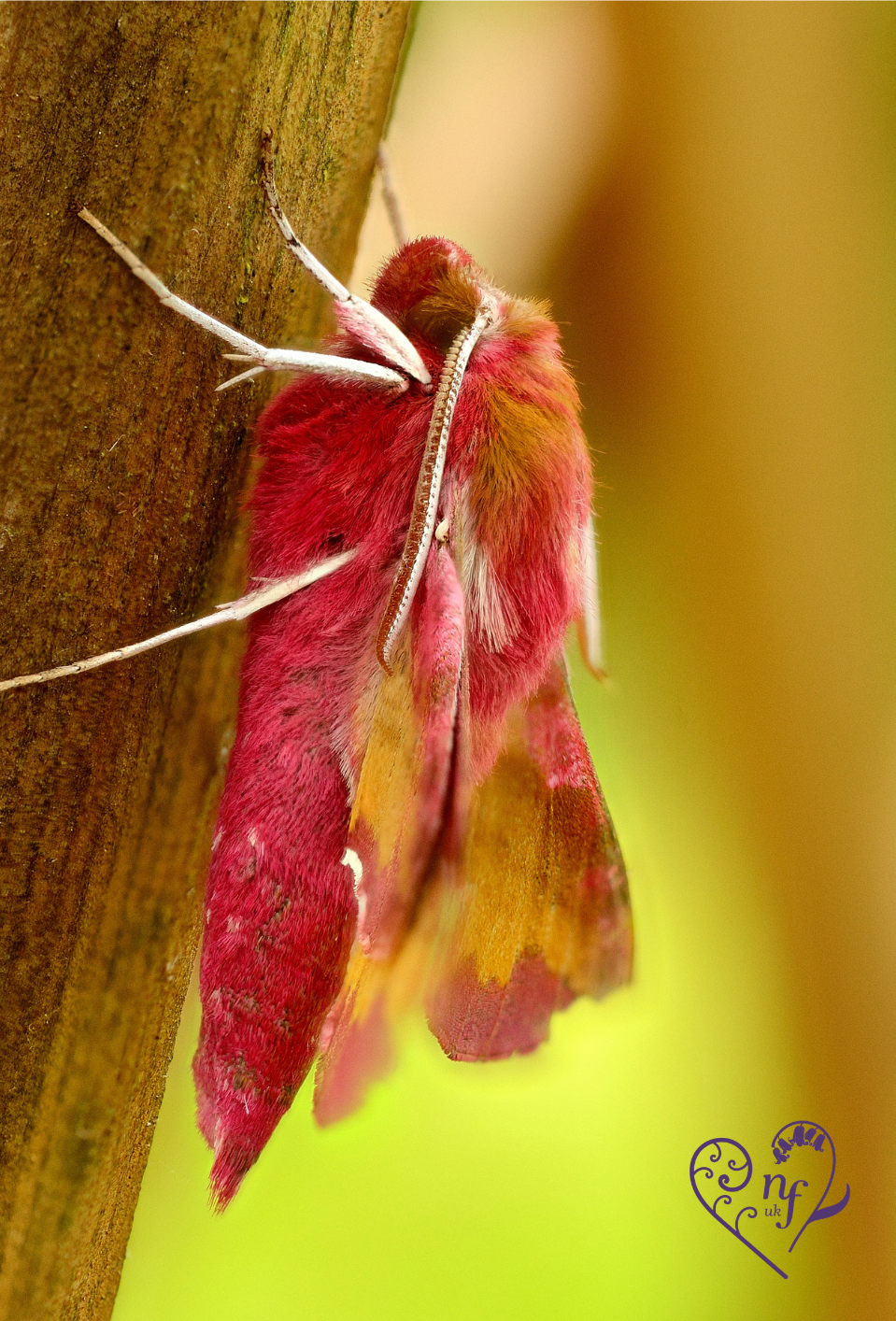
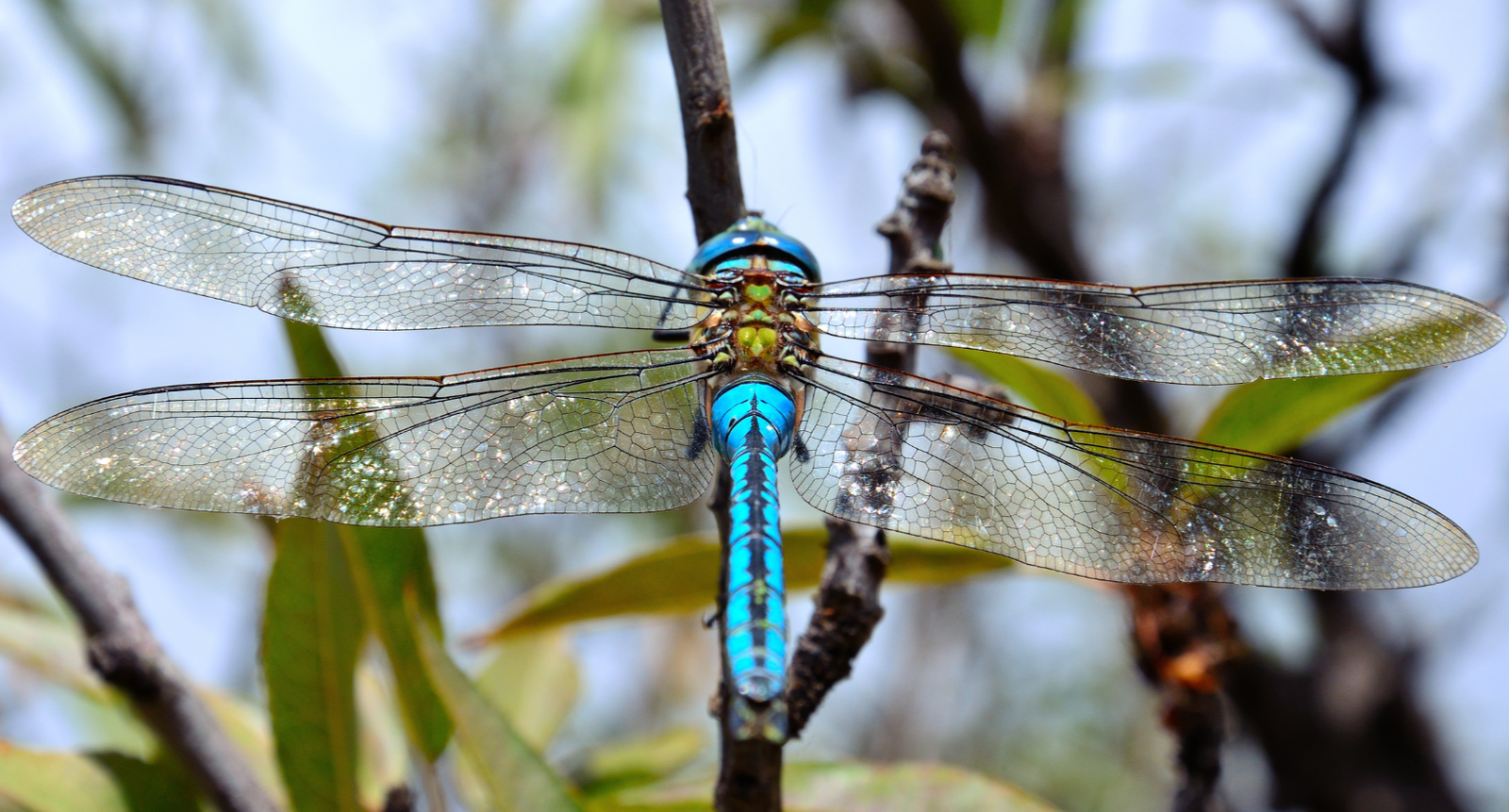
Insects make brilliant first subjects for wildlife photography. They’re everywhere – on flowers, in hedgerows, on pavements – and they’re usually easier to sidle up to than a bird or mammal. They’re also fascinating when you take the time to really look at them.
Focus on the eyes
Whether you’re photographing a beetle, a robin or a fox, tap to focus on the eyes. If they’re sharp, the photo comes alive.
Don’t forget plants
Wildlife photography isn’t just about animals. Plants, fungi and trees can be just as captivating. Use your phone’s macro mode to capture the veins of a leaf, the texture of bark, or raindrops on a flower.
Use natural light
Morning and late afternoon provide soft light that flatters everything from beetles to buttercups. Midday sun can be harsh, so if you have the option, go earlier or later.
Keep steady
Use both hands, or steady the phone against a tree or a wall. If you’re crouching down to photograph fungi or a flower, take your time and breathe out slowly as you press the shutter.
Take lots of photos
Don’t be afraid to overshoot. One in twenty might be the keeper and that’s perfectly normal. Delete as you go to save storage space – it’s much easier than finding out you’ve filled your phone mid-shoot.
Composition still matters
Just because you’re using a phone doesn’t mean you can forget the “proper” rules. The same ideas apply as with a DSLR or mirrorless camera.
Behaviour tells the story: A bee buried in a flower, or a leaf unfurling in spring, is often more engaging than a static pose.
Rule of Thirds: Picture your screen divided into nine rectangles with two vertical and two horizontal lines. Place your subject on one of those lines or at the intersections. For instance, a bird looks more natural perched on the left third of the frame with space in front of it, rather than dead centre.
Background matters: Avoid clutter where you can. A simple background makes your subject stand out.

When the photo is just for you
Sometimes you have to commit a moment to memory instead of a memory card. I once saw a leveret cross the road in front of my car. I pulled over safely to watch as this young hare sauntered across the field without a care in the world. Of course, I couldn’t rummage for my phone – I was driving – and even if I could, by the time I’d reached for it, the moment would have gone. Had I tried, the photo would probably have been nothing more than a brown smudge against straw and brambles. But in my mind, it remains a vivid, golden moment.
The same goes for my water vole photos (apparently I’m the only one who can see them in the shot) and my foxes, which to others are simply two rusty blobs in the distance. Sometimes the experience matters more than the picture.
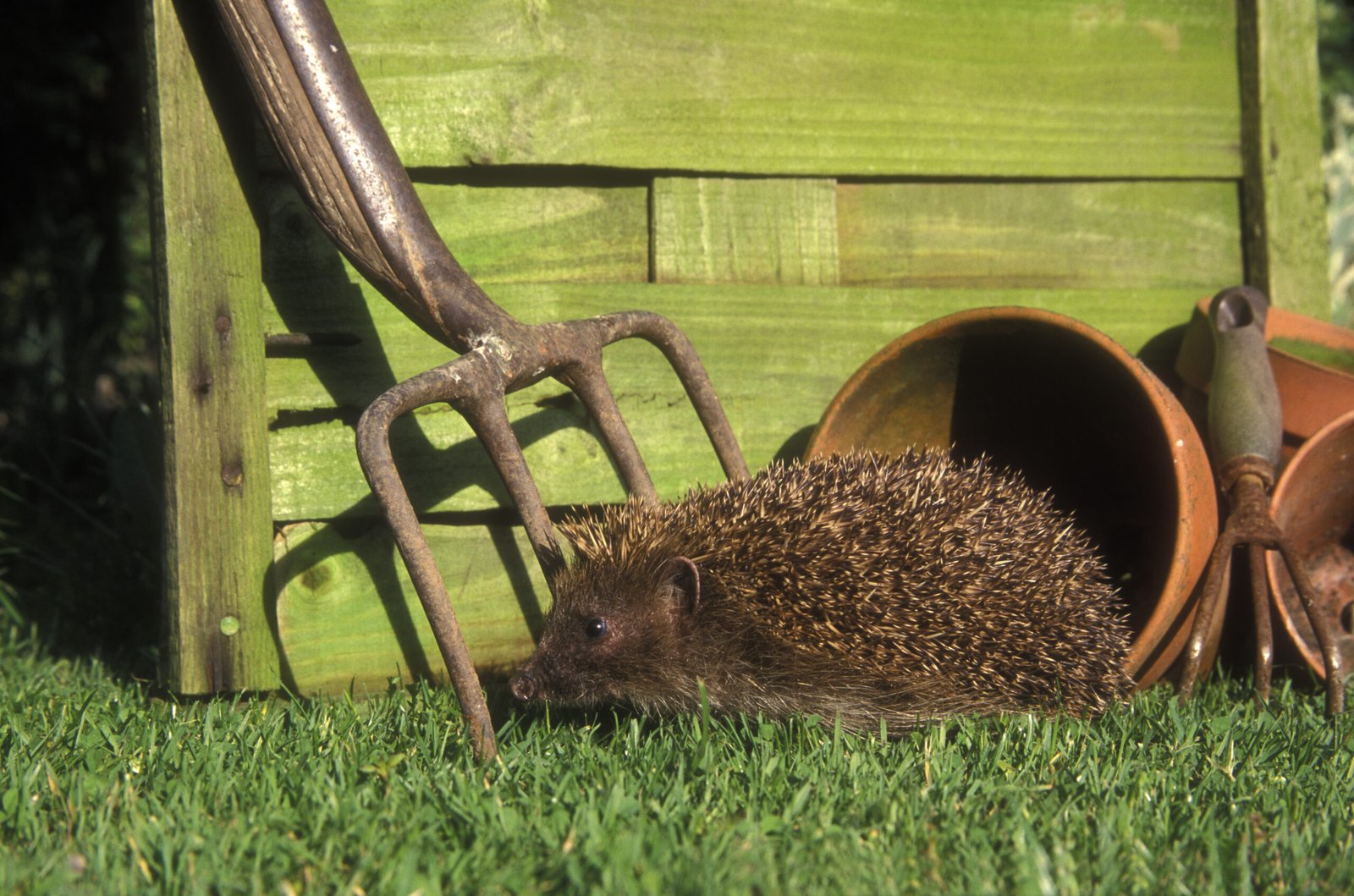
And let’s be honest, we’ve all been there. You witness something spectacular – perhaps a troupe of hedgehogs performing the hokey cokey – only to realise you left your camera in the car and your phone is out of battery. You return the next day at the same time, fully prepared because surely it’s part of their daily routine… only for the creatures to vanish without trace. Wildlife has a sense of humour like that.
Editing your photos
A few gentle adjustments can make your pictures pop:
-
- Lighten slightly and adjust contrast.
-
- Warm up golden hour shots.
-
- Crop to tidy the frame and emphasise your subject.
-
- Experiment with black and white for texture and mood.

A simple practice assignment
Next time you’re outside, find a flower that’s attracting insects. Spend ten minutes photographing bees, flies or beetles that land there. Try:
-
- Using the rule of thirds by placing the insect to one side.
-
- Taking a few close-up shots and a few wider ones to include the plant.
-
- Snapping plenty, then deleting most afterwards.
You’ll learn to anticipate movement, compose more thoughtfully, and appreciate just how much is going on in the tiniest patch of wildness.
Final thoughts
Wildlife photography with a mobile phone is about patience, practice and presence. Keep your phone charged, take more shots than you need, and accept that some moments are best kept in memory. Most importantly, enjoy the process. Every bird, beetle, fox or flower you notice brings you closer to the rhythms of the natural world – and that’s a reward in itself.
And remember, the best camera is the one you have with you, so go out and start shooting!
Clare
To be the first to see the release, and for regular letters from my garden straight to your inbox, sign up to my newsletter: