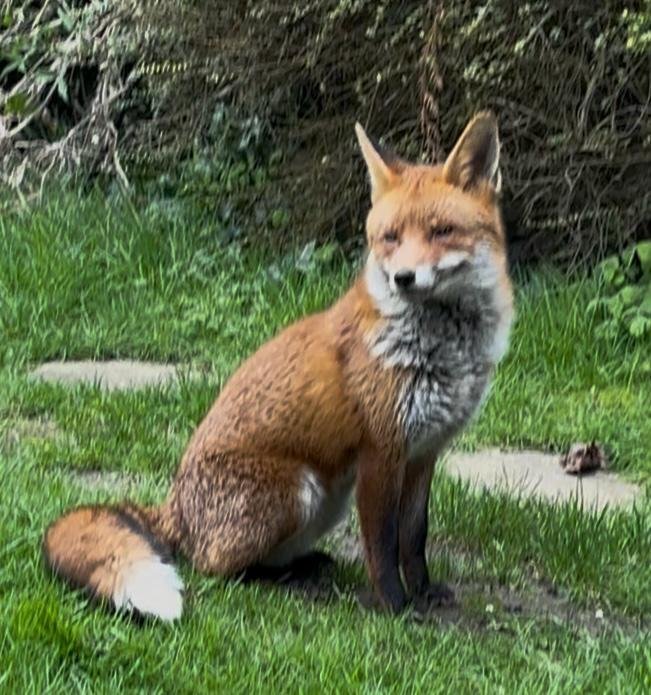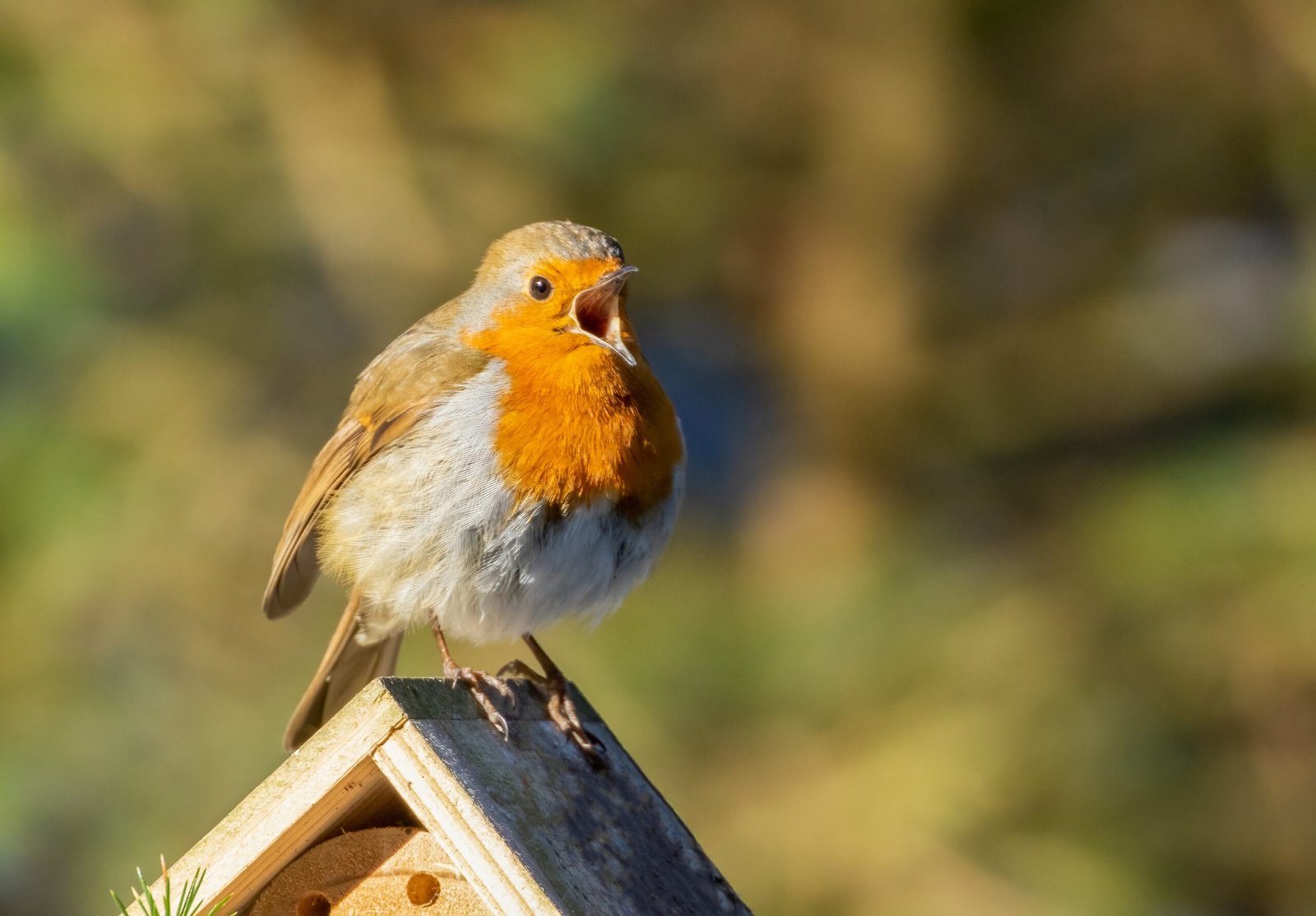
A garden full of birds is a joy for any nature lover. Their song, colour, and energy brighten every season. With the right mix of food, shelter, and habitat, you can turn your garden into a safe, welcoming haven for birds all year round.
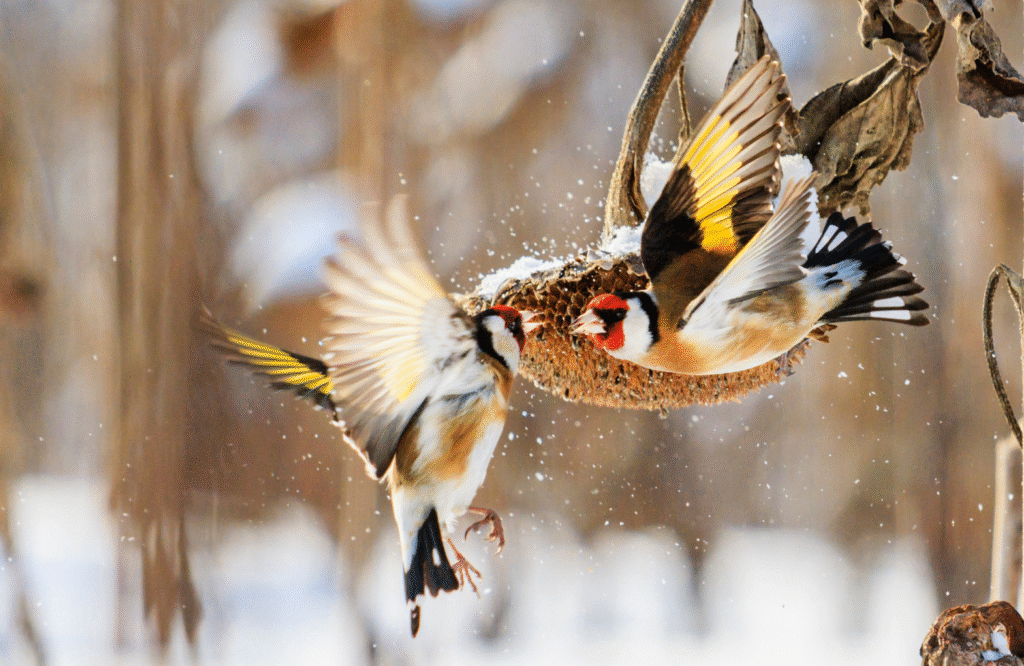
Top Ten British Garden Birds & Their Go-To Snacks
Birds need a reliable food supply, particularly in winter when natural sources are scarce. Plan ahead and keep feeders topped up — birds can’t afford to waste energy visiting empty feeders.
Here are some common UK garden birds and their favourite foods:
- Robin: Mealworms, soft fruit, apples
- Blackbird: Mealworms, soft fruit, apples
- Blue Tit: Sunflower hearts, suet, peanuts (winter only)
- Great Tit: Sunflower hearts, suet, peanuts (winter only)
- Chaffinch: Mixed seeds, peanuts (winter only)
- House Sparrow: Mixed seeds
- Goldfinch: Nyjer/niger
- Greenfinch: Sunflower seeds, millet, peanuts (winter only)
- Wren: Mealworms, small insects
- Dunnock: Mealworms, small insects
Avoid peanuts in spring and summer — young birds can choke. Keep feeders clean to prevent disease.
Fresh Water
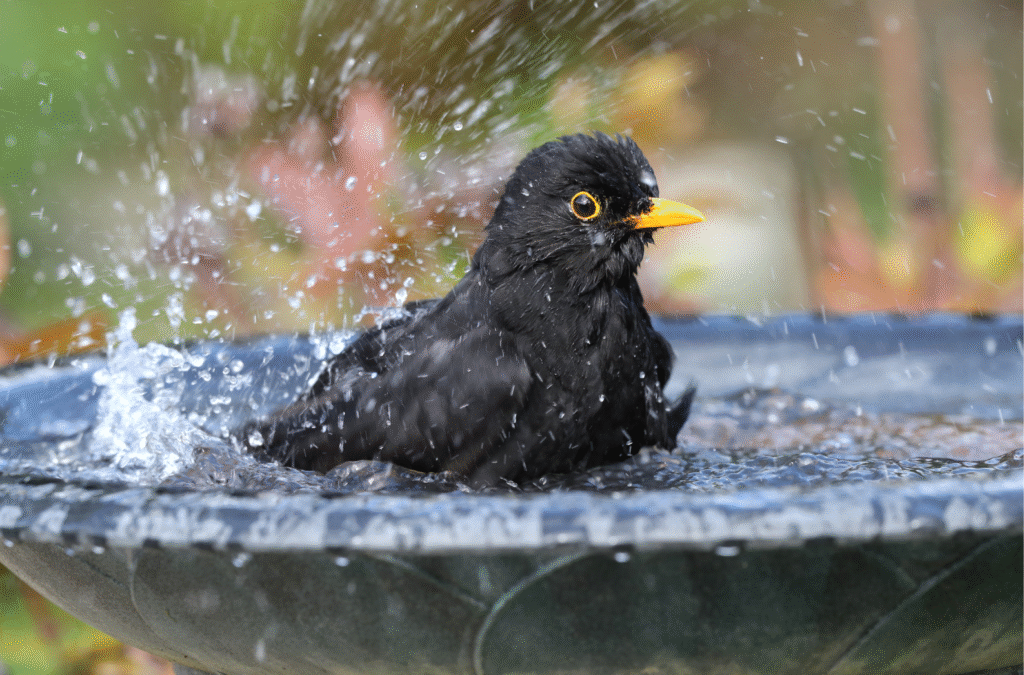
Birds need water year-round for drinking and bathing.
- Birdbaths with shallow water and gentle slopes are ideal.
- In winter, ensure water doesn’t freeze.
- Position baths near shrubs or grasses so birds can escape predators quickly.
Shelter, Nesting, and Natural Habitat
Birds need safe places to rest, hide, and breed.
- Plant native shrubs and trees like rowan (Sorbus), holly, hawthorn, and evergreens. These provide berries and seeds that act as a natural, constant food source.
- Ornamental grasses and longer lawn patches are excellent for insect-friendly feeding areas, as are native plants of all shapes and sizes. If your garden is insect-friendly, it’s automatically bird-friendly! Long grasses and vegetation of all kinds provide excellent cover from marauding predators, too.
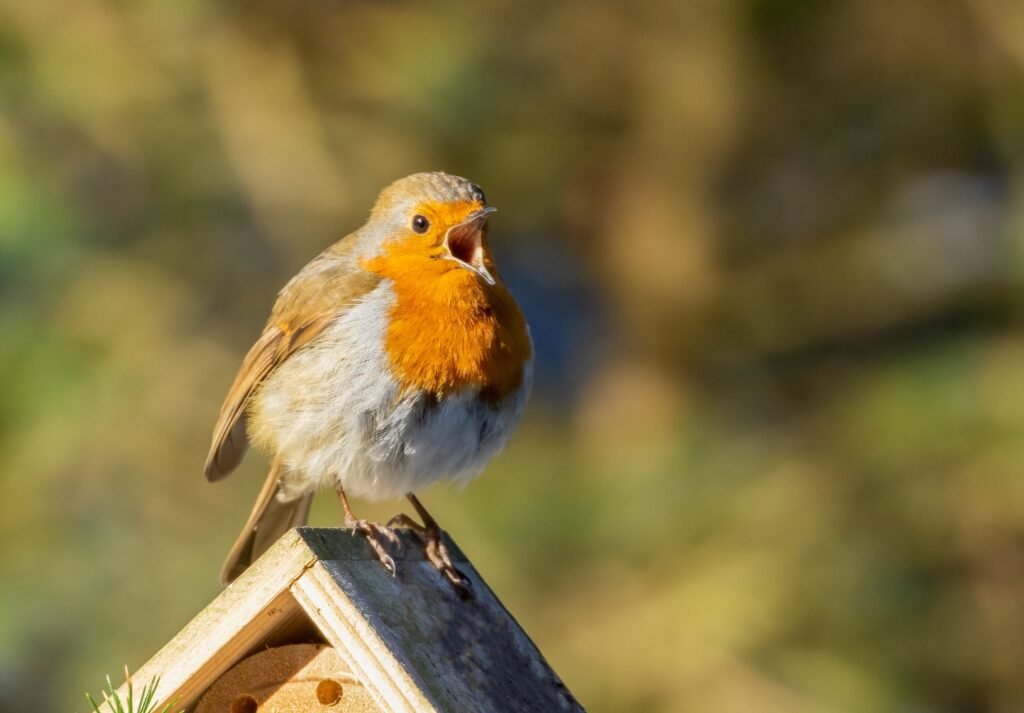
- Nest boxes: Use a variety of heights and entrance sizes, for example, robins like panoramic views, blue tits prefer smaller holes than great tits. Site in shade to prevent chicks overheating, and be mindful of cats when choosing box placement.
- Safe cat deterrents: Dense thorny plants, elevated boxes, or motion-activated sprinklers can help keep cats away.
Seasonal Tips
Winter:
Offer high-energy foods like sunflower seeds, suet, and homemade fat balls. Why not participate in the RSPB Big Garden Birdwatch in January? It’s a joy to do, and you’re helping monitor bird numbers at the same time.
Spring & Summer:
Provide mealworms for chicks and breeding birds. Keep water plentiful. Allow parts of the garden to grow wild to support insects and nesting.
Autumn:
Offer fruits, seeds, and berries to help birds build fat reserves. Don’t tidy your garden too much: Leave leaf litter for insects that birds love to forage, blackbirds especially like to rummage – listen to them rustling as they go. Leaving seed heads in place is a win-win – it saves money on bird food and replenishment time, especially if you have sunflowers, teasels and thistles. Just watch the drama unfold!
Making Fat Balls
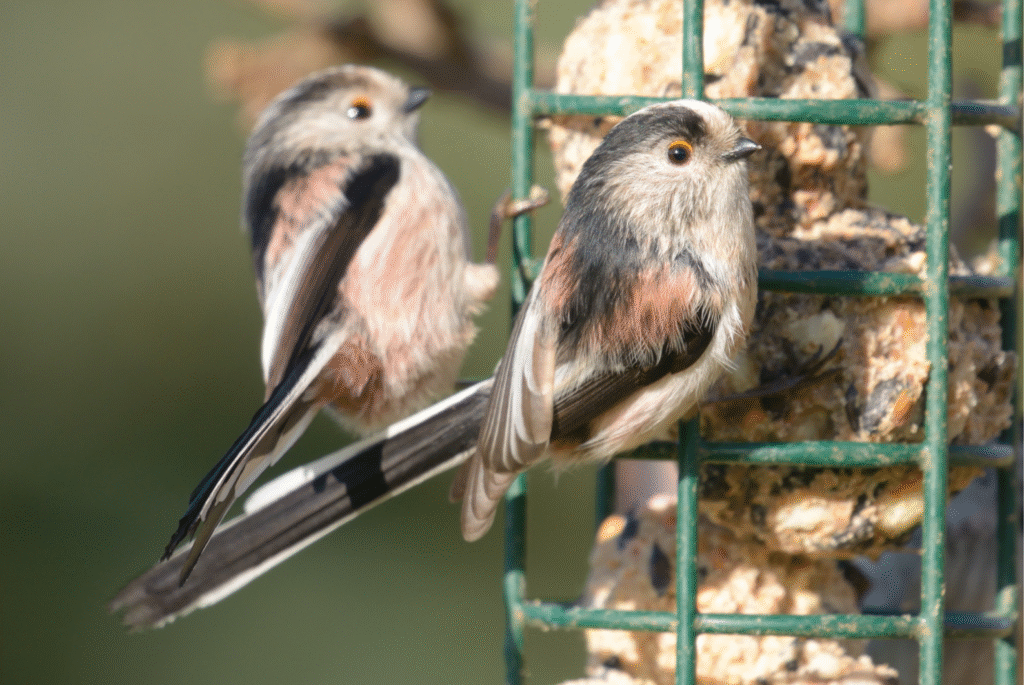
Homemade fat balls are easy, nutritious, and perfect for winter:
Ingredients:
- 200g suet or vegetable fat
- 100g crushed oats
- 50g birdseed mix
- Optional: raisins or chopped nuts (winter only)
Instructions:
- Melt the suet gently.
- Mix in oats, seeds, and optional extras.
- Shape into balls and chill until firm.
- Place on a dish or in a hanging feeder.
Suet and fat balls are safer and more nutritious than bread or dripping.
Final Thought
A garden alive with birds isn’t just beautiful — it’s a thriving ecosystem. By offering safe, nutritious food, native plants like rowan, insect-friendly habitat, and thoughtful nest boxes, your UK garden can become a bird paradise all year round
Clare
To be the first to see the release, and for regular letters from my garden straight to your inbox, sign up to my newsletter: