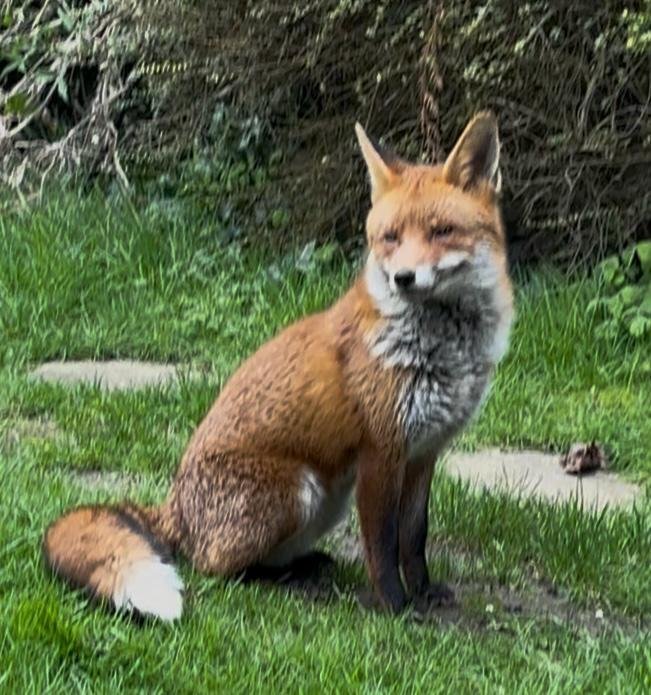
Discover eco-friendly wildlife gardening tips to protect your plants, help local wildlife, and keep your garden thriving during a heatwave. Plus, an easy herb flatbread recipe to make with your garden harvest.
Don’t worry – I won’t be taking off all my clothes!
The truth is, I’ve been staying in the shade as much as possible lately. The heatwave has well and truly arrived, and I’m only heading outdoors early in the morning or late in the evening – to hang out washing and, more importantly, to make sure the wildlife doesn’t go without water.

There’s been a stark contrast in the garden: the long grass, which we left to grow wild, is still lush and green. But the shorter patches? Browned, scorched, and struggling. Even the bay trees, plants that usually love a bit of sun, are looking a bit worse for wear.
It’s a tough time for gardens and wildlife alike, but with a few mindful, eco-conscious habits, you can support your space to thrive through it all. Here’s how.
Eco-Friendly Wildlife Gardening Tips for Hot Weather
If you’re passionate about gardening for wildlife, sustainability, or just want to keep your plants and local ecosystem happy in the heat, these tips are for you.
1. Water Smart: Use Grey Water and Water Butts
In hot, dry weather, newly planted or potted plants dry out fast. Prioritise watering these and do it in the early morning or late evening to minimise evaporation.
To keep things eco-friendly, reuse grey water (from washing veg, collecting bathwater, or rinsing dishes with gentle, non-toxic soap) and use water from water butts. With hosepipe bans already in place in some regions, it’s not just a sustainable choice, it may soon be the only option.

2. Keep Wildlife Hydrated
Providing a constant source of clean water is one of the easiest and most impactful things you can do in a wildlife-friendly garden. Use shallow dishes, add stones or twigs for small creatures to perch on, and change the water regularly.
Birds, bees, hedgehogs, and frogs will thank you. You can also leave some apples or cucumber slices out as many species need both hydration and sugars in extreme heat.
3. Harvest Herbs for Drying
Love a practical gardening tip that brings beauty indoors? Now is the perfect time to harvest herbs like mint, thyme, oregano, and sage.
Drying them is simple: just bundle the stems and hang them in a shady, well-ventilated area. You’ll be left with fragrant, homegrown herbs to use in cooking or even as part of eco-friendly home décor (think: tied bundles on a kitchen shelf or in a dried arrangement).
Recipe: Garden Herb Flatbreads (No Oven Needed!)
Hot days call for low-effort meals that still feel special. These quick and easy flatbreads use fresh herbs from the garden and require no oven – just a frying pan!

Ingredients:
- 150g plain flour
- ½ tsp baking powder
- Pinch of salt
- 2 tbsp natural yoghurt or plant-based alternative
- 2 tbsp water
- Handful of chopped fresh herbs (mint, rosemary, parsley—whatever’s thriving!)
- Olive oil for frying
Instructions:
- Mix the flour, baking powder, and salt in a bowl.
- Stir in the yoghurt and water to form a dough.
- Knead briefly, divide into 4, and roll out each piece thinly.
- Cook in a dry frying pan on medium heat for 1–2 minutes per side until golden.
- Brush with olive oil and sprinkle with more herbs and sea salt.
Delicious served with dips, soup, or folded around grilled veg. These are perfect for summer garden lunches or to take on a shady picnic.
A Garden That Gives Back
Whether you’re drying herbs for your kitchen, creating a wildlife haven, or simply watching the bees buzz around your lavender, this is what wildlife gardening is all about: creating a space that gives back, sustains nature, and feels like a gentle refuge from the world.
If you love sustainable living, eco-friendly home & garden décor, or want to get more involved in wildlife gardening, keep exploring our range of nature-inspired designs and wildlife-friendly creations over at Nourish Flourish UK, and grab our wildlife journals now!