Support your garden and its wild residents through the colder months with gentle, seasonal care. Discover how to protect plants from frost, care for lawns and hedges in snow, and look after garden birds this December.
December can feel like the garden is sleeping, but there’s still quiet work happening just beneath the surface.
The trees are bare, the soil is cold, and the days are short… yet the wildlife continues to move, forage, and prepare. With just a few thoughtful tasks, you can help your garden thrive through winter while offering much-needed care to its smallest residents.
Whether you’re popping out between showers or wrapped in a scarf for a crisp morning wander, these winter wildlife gardening tips will help you gently tend to your wildlife garden this December.
1. Winter Wildlife Gardening Frost Protection for Plants and Pots
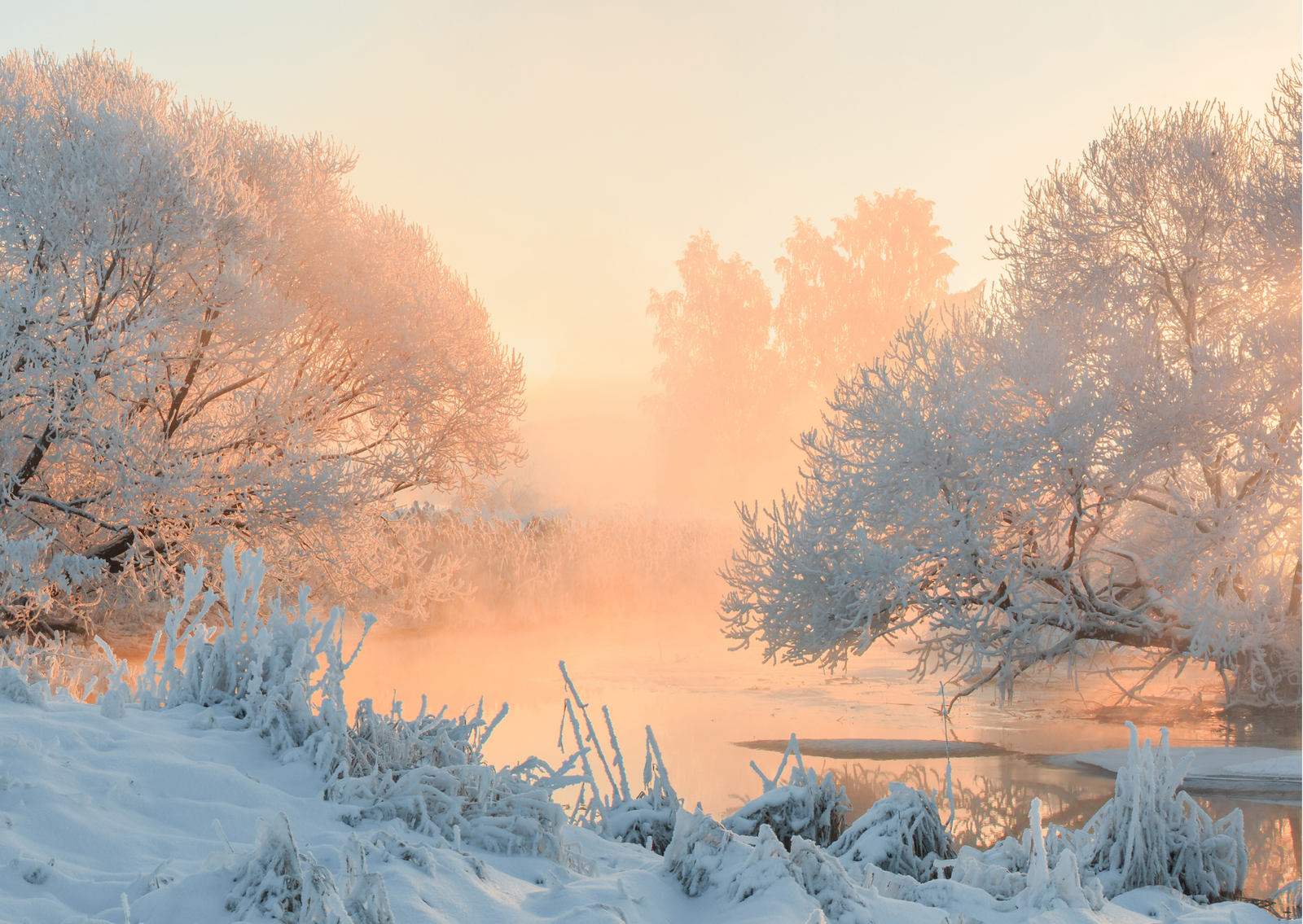
Frost might look beautiful, but it can cause havoc in your garden.
Make sure to wrap vulnerable pots in fleece, hessian, or bubble wrap to insulate roots from freezing. If you’re short on covers, even grouping pots together in a sheltered corner can help them retain warmth and reduce exposure to cold winds.
Move delicate potted plants closer to the house for extra warmth or possibly into a greenhouse if you have one.
Cover tender plants with horticultural fleece or cloches on especially cold nights, and don’t forget to protect your taps and external piping too! A simple cover or even an old towel secured with string can prevent frost damage and burst pipes.
This small act of prep can now save you a lot of heartbreak (and expense) later. Bonus: If you’re short on covers, even grouping pots together in a sheltered corner can help them retain warmth and reduce exposure to cold winds. Every extra bit of protection makes a difference.
Bonus Tip: Raise pots off the ground using bricks or pot feet to improve drainage and reduce the risk of waterlogged roots freezing overnight.
You might also enjoy reading our Autumn Wildlife Gardening blog for more frost-prep ideas that transition beautifully into winter.
2. Wildlife Garden Lawn and Hedge Care in Frost and Snow
We all love the look of a snowy garden, but frost and snow can weigh heavily on your plants and damage your lawn if you’re not careful.
Try to avoid walking on the lawn during frosty mornings. Frozen blades of grass can snap and take longer to recover, leading to patchy lawns come spring.
If it does snow, gently shake the snow off hedges, shrubs, and smaller trees. The weight of it can damage branches or cause breakages, especially after a heavy snowfall. A gentle touch is all that’s needed, but your plants will thank you for it.
Looking for more ideas to support garden structure and hedging? Keep an eye out for our upcoming Spring journal tips where we explore pruning and hedgerow care in more detail.
3. Support Birds in Your Winter Wildlife Garden
It’s important to continue feeding the birds and looking after their water too! Food becomes scarce in winter, and your garden birds rely on the consistency of feeders they’ve come to trust.
Keep feeders clean and topped up with high-energy foods like suet balls, sunflower hearts, or mealworms. These are especially important during freezing spells when natural food sources are harder to find. Check out the Fat Balls recipe in my Attracting Birds to Your Garden All Year Round blog.
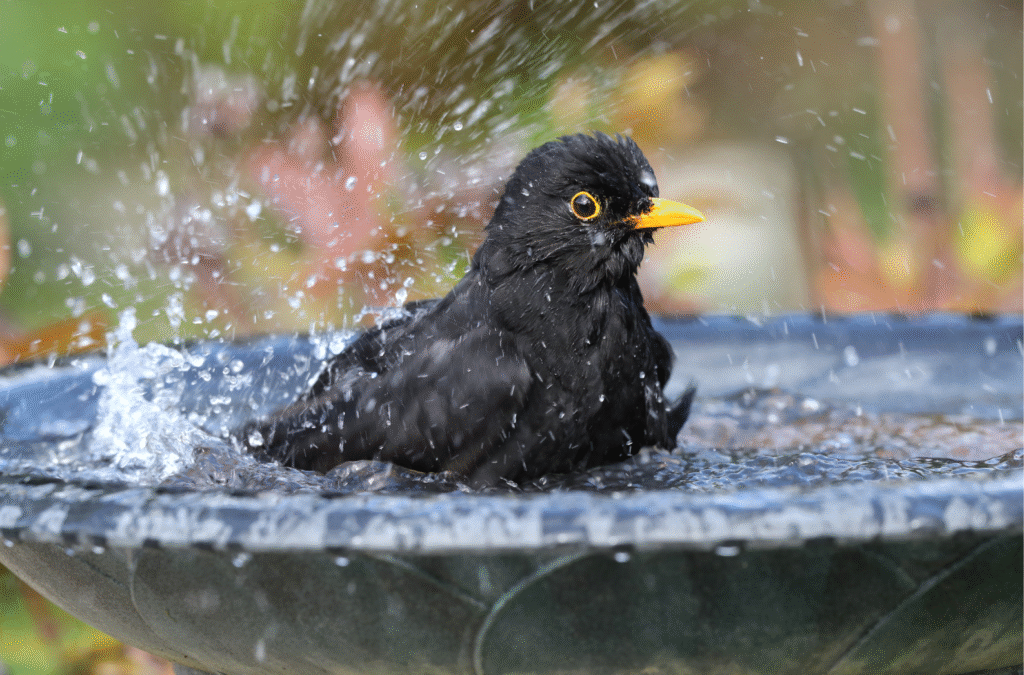
Rinse bird baths and water bowls regularly, and remove any ice. A top tip: place a small floating ball (like a ping-pong ball) in your bird bath or pond. The movement helps to stop the surface from freezing over.
These small steps can make a big difference to survival rates over the colder months.
Want more ideas for making your garden bird-friendly? You might like our blog on Attracting Birds to Your Garden All Year Round.
These small steps can make a big difference to survival rates over the colder months.
4. Bonus Tip: What to Leave Alone… The Beauty of Garden Stillness
Not everything needs tending.
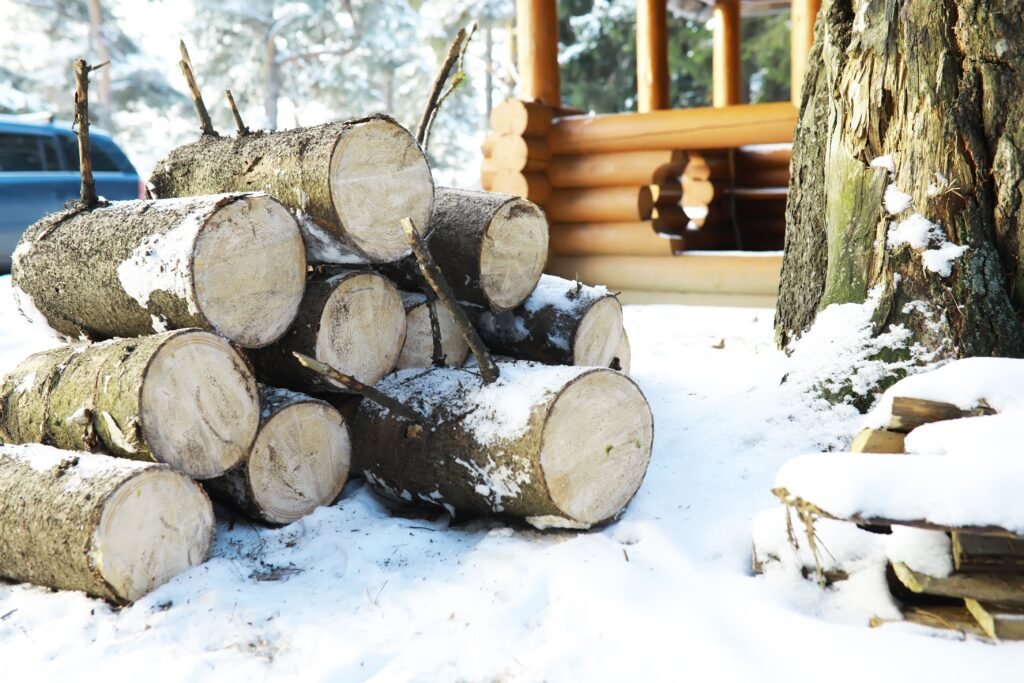
Leave seed heads, piles of leaves, and log stacks where they are. These can offer essential shelter and food for insects, amphibians, and even small mammals. Ladybirds hibernate in leaf piles. Hedgehogs curl up under log stacks. Wrens flit in and out of tall seed heads.
These small habitats are vital. By doing a little less, you’re actually doing a whole lot more for nature.
This idea of “less is more” is something I talk about often, especially in my Slow Living in the Garden blog.
Winter Wildlife Gardening Recipe: Spiced Apple & Oat Winter Crumble

A comforting, seasonal treat for chilly afternoons in the garden.
There’s something deeply grounding about the scent of apples and spices wafting through the kitchen on a cold day. This simple crumble is made for sharing, either with loved ones or eaten solo with a steaming cup of chai, watching the birds from the window.
You’ll need:
- 4–5 apples (windfalls work beautifully)
- 1 tsp ground cinnamon
- ½ tsp ground ginger
- A handful of raisins or sultanas
- 1–2 tbsp maple syrup or honey (adjust to taste)
- Juice of half a lemon
For the crumble topping:
- 100g oats
- 75g plain flour
- 50g butter or plant-based alternative
- 2 tbsp brown sugar
- A sprinkle of seeds or chopped nuts (optional, for crunch)
To Make:
- Preheat your oven to 180°C (160°C fan).
- Peel, core, and chop the apples. Toss them in a bowl with the lemon juice, spices, raisins, and syrup/honey.
- Tip the mixture into an oven-safe dish.
- In another bowl, rub the butter into the flour until crumbly, then stir in the oats and sugar (and seeds/nuts if using).
- Sprinkle the crumble over the apples and bake for 30–35 minutes until golden and bubbling.
- Serve warm with yoghurt, custard, or a dollop of cream.
Tip:
You can make this ahead and reheat individual portions for midweek moments of comfort. It’s also a great way to use up bruised fruit or windfalls.
December Challenge: Create a Wildlife Winter Feast
It’s low-pressure, seasonal, supports garden wildlife, and connects you to the rhythms of nature in a heartfelt, hopeful way.
This month, your Flourish Challenge is to create a simple winter feast for wildlife.
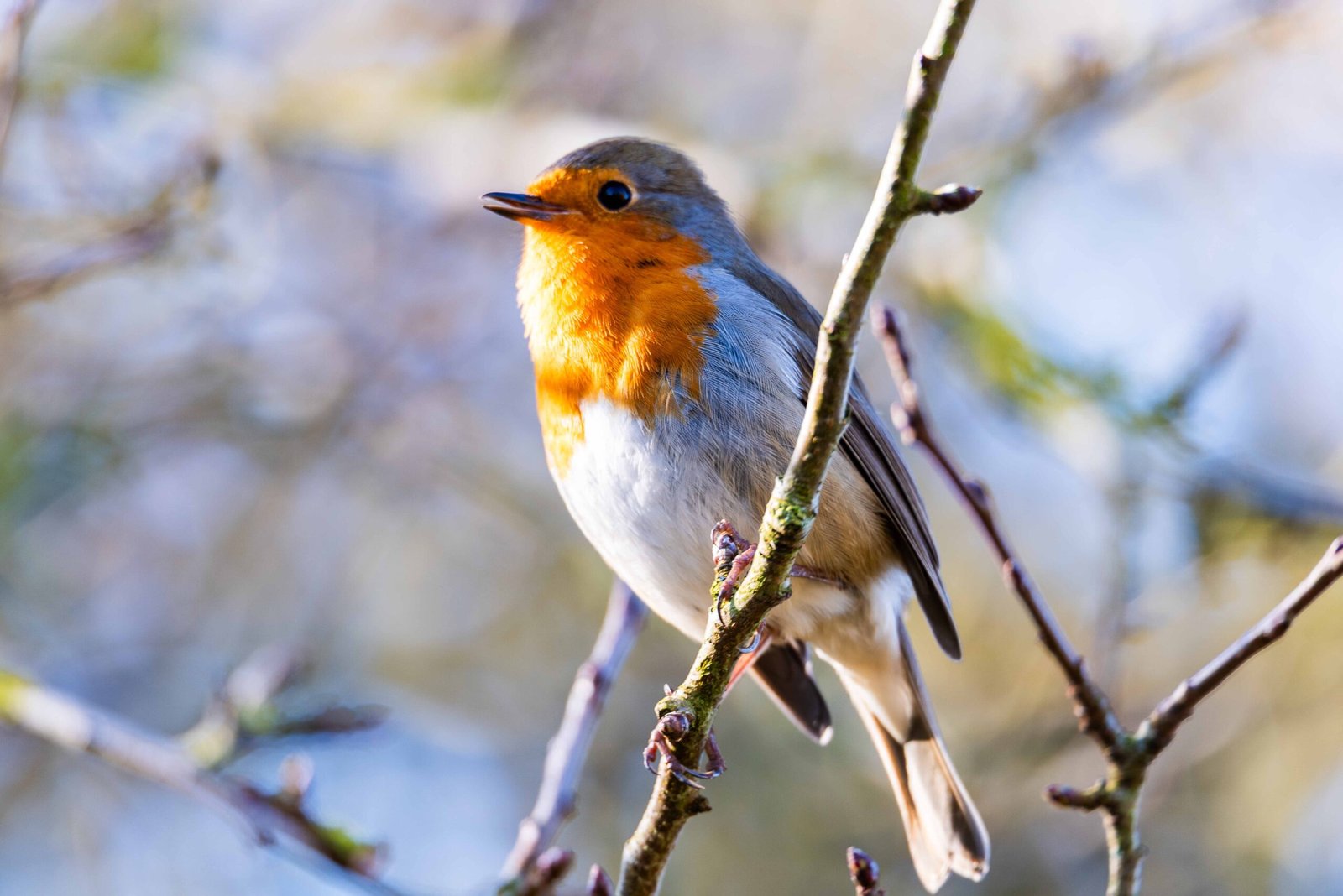
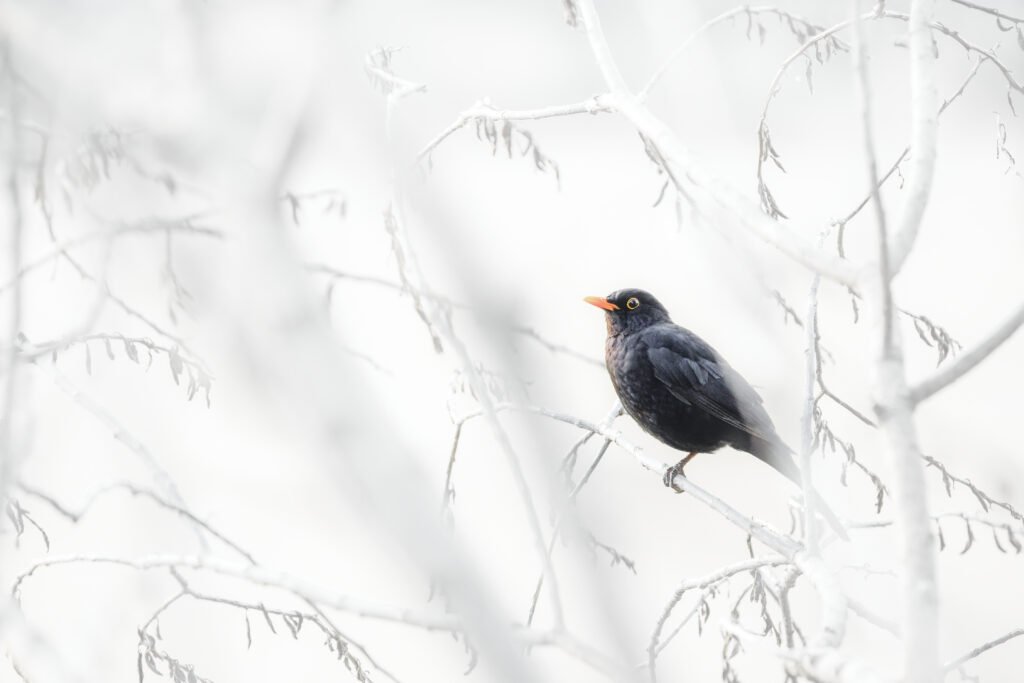
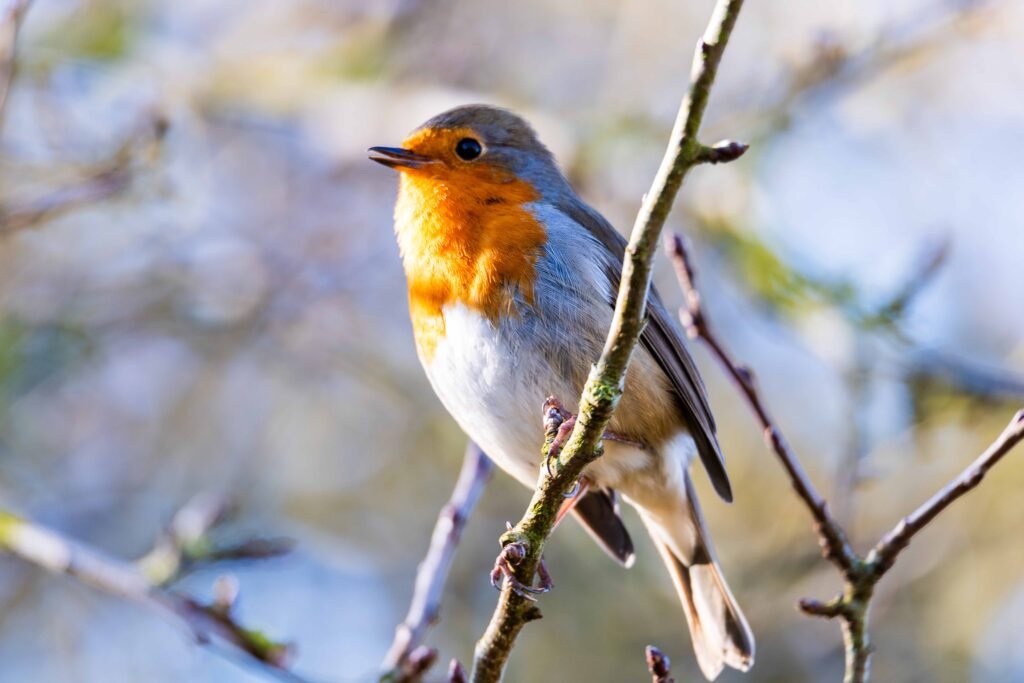
Whether it’s a few fat balls for the birds, a dish of soaked raisins for blackbirds and thrushes, or an apple spiked on a branch for the squirrels and robins, it all helps.
Try one of these:
- Make your own fat balls with seeds, oats and suet
- Slice up windfall apples and leave them in a quiet corner
- Scatter a few dried fruits (avoid sultanas near dogs) and sunflower hearts
- Float a ping pong ball in your birdbath to help prevent freezing over
Watch what visits.
Take a quiet moment each day to observe the life you’ve invited in. It’s a beautiful reminder that even in the stillest months, your garden can offer nourishment, joy, and connection.
A Gentle Close: The Garden May Rest, But Life Continues
There’s something beautifully still about the garden in December. Fewer tasks. Slower pace. A time for both you and nature to rest.
But with a little care and attention, you can protect what matters most: overwintering insects, sheltering plants, and hungry birds.
Bundle up. Breathe it in. Let the stillness of the season settle in your bones.
If this December blog has been helpful, you might enjoy a look back at my Wildlife Gardening in October tips. And if you’re already dreaming of spring, keep an eye out for our next seasonal guide, blooming soon.
Looking to take your winter wildlife gardening even further? You will be pleased to know that our Wildlife Gardener’s Winter Journal has been released and is available now ❄️
Stuck for a Christmas present? We can help!
Grab The Wildlife Gardener’s Journal Christmas Bundle at a special price of £30 – saving a whopping £18
You can’t go wrong
Christmas present stress sorted ✔️
Happy recipient can journal their way through the year ✔️
It’s good for the environment – reusable & helps people create wildlife friendly spaces (no garden required) ✔️
Recipient learns what to look out for in nature month-by-month ✔️
Stepway – A charity helping veterans in the community through gardening, nature, arts and crafts – get £3 ✔️
The Vale Wildlife Hospital & Rehabilitation Centre get £3 ✔️
Job done!
Wishing you warmth, wonder, and wintry magic,
Clare