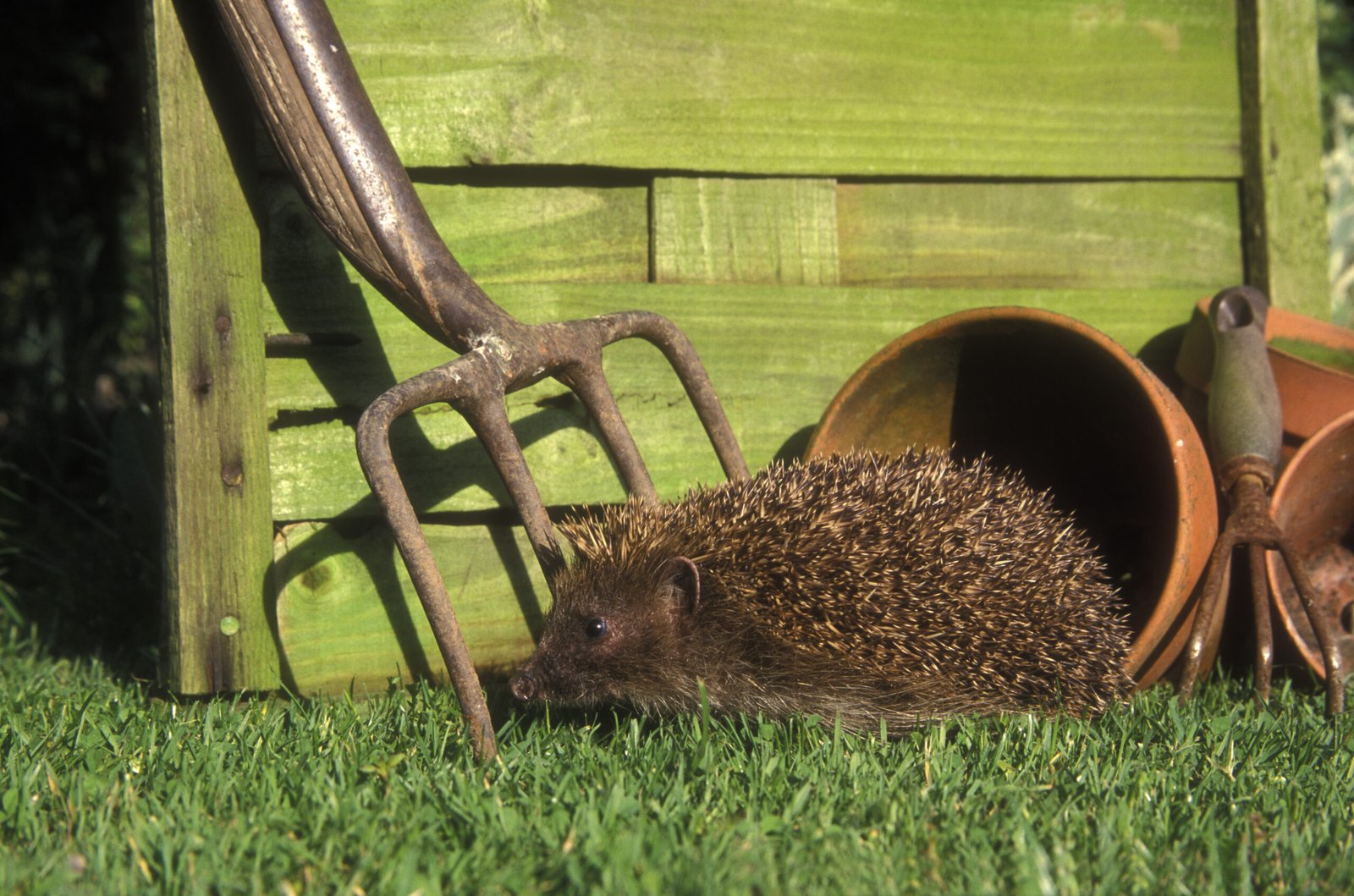
Sometimes the body doesn’t need fixing, it needs settling.
For many of us, learning how to regulate the nervous system can feel complicated. There are days where everything feels a bit too loud, too fast, or just slightly out of reach. The kind of days where your mind keeps going but your body feels like it’s lagging behind. I’ve had a lot of those.
What I’ve noticed, slowly, and without really trying, is that nature meets those moments differently. It doesn’t ask questions. It doesn’t need explanations. It just… carries on. And something in the body seems to recognise that.
This isn’t about “getting fresh air” as a task, or using nature as a quick fix. It’s more about how nature helps nervous system regulation in a way that feels almost biological, like the body remembering something it already knows.

What Happens When the Nervous System Is Dysregulated by Stress
When we feel overwhelmed, the nervous system shifts into protection mode.
That might look like fight, flight, or sometimes just feeling completely stuck. The body isn’t doing anything wrong, it’s responding exactly as it’s designed to. The problem is that modern life doesn’t always give us a clear signal that it’s safe to switch off again.
So, we stay slightly “on”. A bit wired. A bit tired. Sometimes both at once. Or, almost always in my case!
It’s not a flaw. It’s a system doing its job for longer than it was meant to.

Why Nature Helps Regulate the Nervous System Naturally
Nature and wellbeing tend to move together.
Natural light shifts throughout the day, softening and brightening, changing how colour is perceived. Movement is rarely abrupt, it’s the slow sway of leaves, the ripple of water, the quiet drift of clouds. Sound follows a similar pattern: birdsong, wind through branches, water moving over stone. None of it demands attention, but it’s almost impossible not to notice.
Then there’s touch. Grass underfoot, the texture of bark, the coolness of air or the gentle warmth of sunlight. Even temperature plays a role. Cold can sharpen awareness, while warmth can help the body soften and settle.
This is sensory grounding in its simplest form. When you’re in nature, your senses have something real to land on. There’s no need to force it or “practice” it, the body responds automatically, often without you realising.
Alongside this is rhythm. Nature moves in patterns the nervous system understands. Seasons shift gradually. Light changes predictably across the day. These cycles repeat, again and again, offering a quiet sense of stability.
Even the shapes we see play a part. The repeating patterns of leaves, the way branches extend from a tree, the spirals of ferns or shells, all of these forms are familiar to the human brain. They’re not something we have to interpret or decode. They simply make sense, and that in itself can be calming.
This is part of how nature helps regulate the nervous system, not through effort, but through recognition.
And perhaps most importantly, there is no demand.
Nature doesn’t ask for productivity. It doesn’t expect performance. You don’t have to achieve anything, improve anything, or even feel any particular way. You can simply be there.
That’s a very different experience from many of the environments we spend time in, where there is often pressure to respond, produce, or keep up. In contrast, nature offers a space where nervous system regulation can happen naturally, without instruction, without urgency, and without needing to get it “right”.
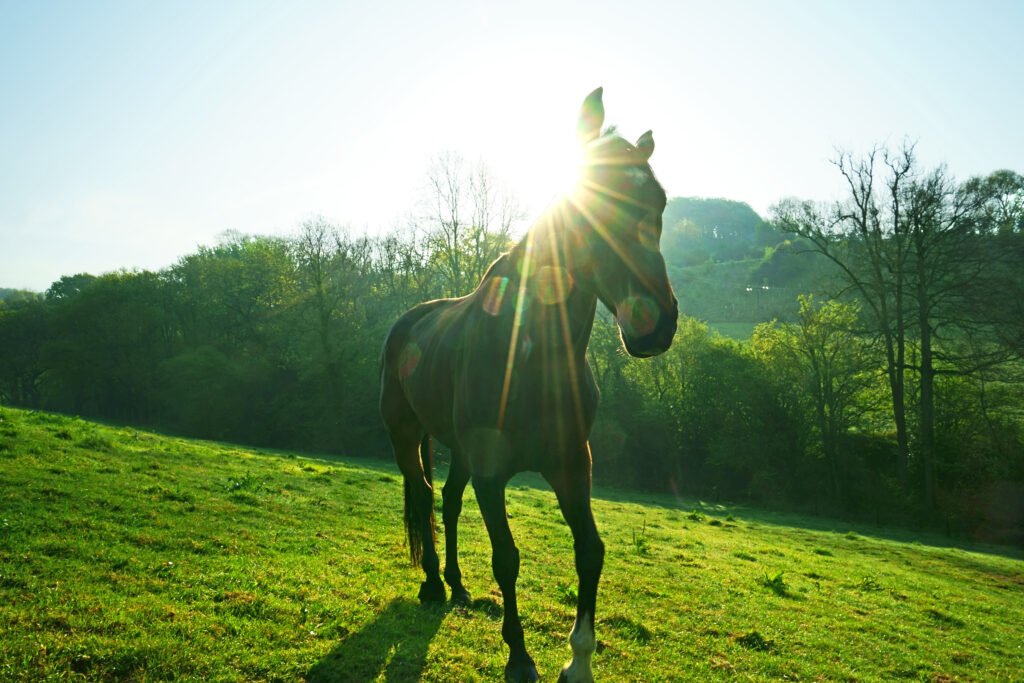
A Simple Way to Regulate the Nervous System Using Nature
Sitting outside, letting the body catch up is a simple yet effective way to regulate the nervous system. I often feel overstimulated, anxious, sensory overload, everything a bit too much. I’ve learnt the hard way that ignoring it and trying to push through isn’t the solution.
Now, I go outside when I’m dysregulated and… do nothing.
Well, not nothing exactly. To the untrained eye it might look that way, but I’m actually grounding in nature. I sit with my feet flat on the ground, physically grounded, and slow my breathing.
There’s no pressure to “fix” anything. It’s just about letting the body settle before the mind catches up. After a while, I start to notice things. Birds calling. Light shifting as the breeze moves through leaves. Tiny movements, something flying, something scurrying. It doesn’t matter what it is or whether I can name it. This is slow living in practice. A gentle nervous system reset, to help regulate the nervous system, without effort or expectation.
How Noticing Wildlife Supports Nervous System Regulation
Nature observation genuinely slows attention, even for ADHDers like me.
Instead of your mind racing through everything you haven’t done, nature offers something else to focus on. And not in a demanding way. Just something to watch.
Animals model regulation beautifully. They pause. They’re alert when needed. Then they rest.
Even small moments of mindful noticing can help. Insects are often the easiest place to start, they’re everywhere. Bees and butterflies drifting from flower to flower, a spider carefully spinning a web. It’s simple, but it holds your attention in a different way.
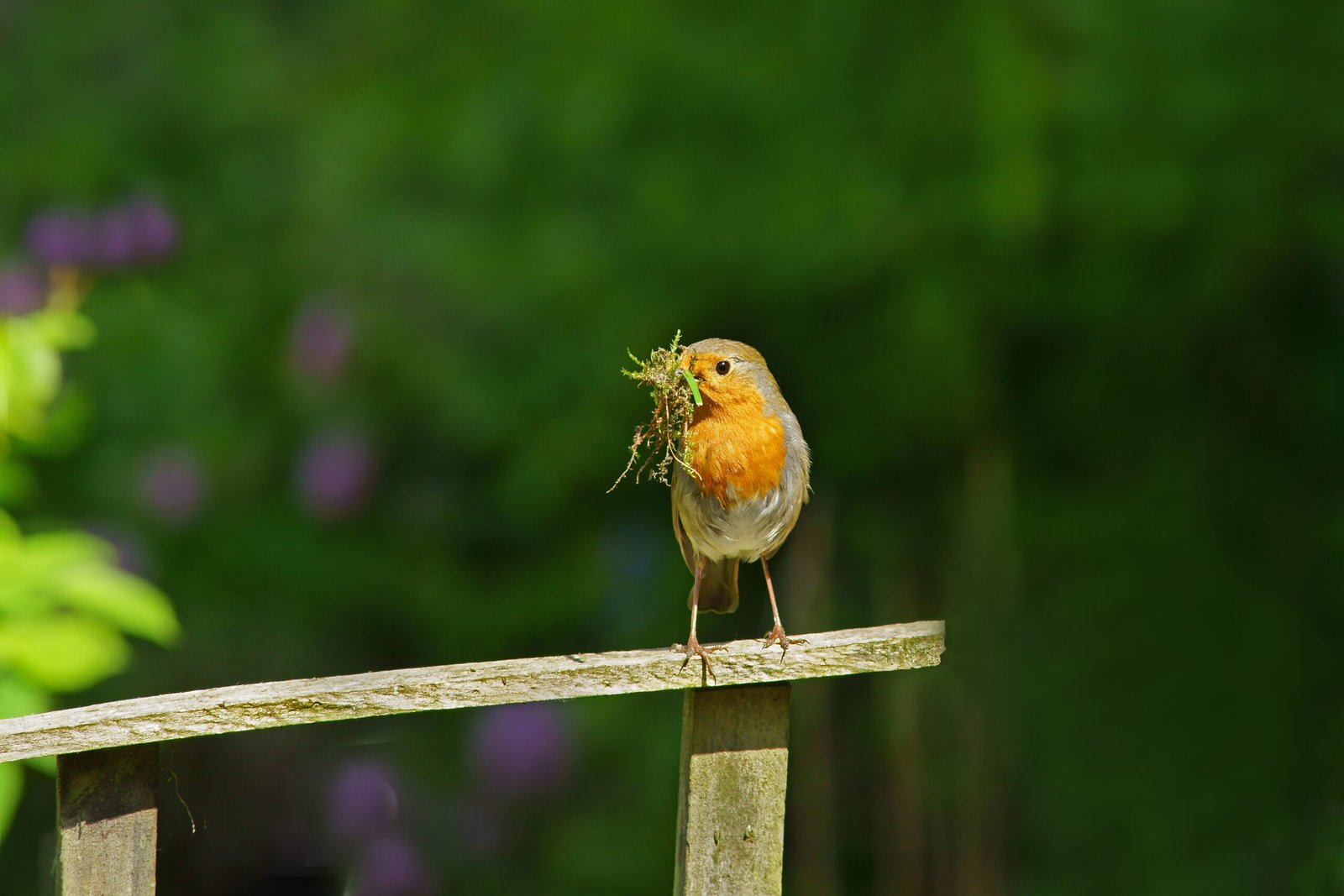
Birds are just as accessible, whether it’s garden birds, pigeons causing chaos in town, or something more unexpected. If you’re still and quiet, you might even catch glimpses of small mammals, voles, mice, a hedgehog, or, if your space allows, a fox passing through.
This kind of wildlife connection gently brings you back into the present without forcing it.
Why Daily Nature Helps Regulate the Nervous System More Effectively
You don’t need forests or retreats. Gardens, balconies, parks, or even a view from a window all count. Even looking at images of nature can help if that’s what’s available. Small, regular nature moments matter more than a big escape.
A retreat might feel wonderful in the moment, but it’s not always something you can draw on during a difficult day. Regulation comes from repetition, not intensity.
A few minutes of nature-based grounding, regularly, is far more supportive than occasional big experiences. It’s about building something sustainable. That’s where everyday nature and slow living practices come in, small, consistent moments that the nervous system begins to recognise and trust.
Simple Tools to Support Nervous System Regulation in Nature
Noticing isn’t something you have to get right, with the right tools for noticing it becomes simple changes rather than turned into a task.
It’s not a task or something to achieve, it’s simply a way of paying attention. Some people like to write things down, sketch what they see, or track small seasonal changes. Others prefer to just sit and observe.
Journals can be helpful here, not as something to complete, but as a gentle container for awareness.
If you’d like a simple place to start, I’ve created a free resource you can explore here:https://nourishflourishuk.com/good-things/
The aim isn’t productivity. It’s presence.

Conclusion: Letting Nature Do What It Does Best: Supporting Nervous System Regulation Naturally
Regulation doesn’t need to be forced.
So much of what we’re told about feeling better involves effort, trying harder, doing more, finding the right method or routine. But the nervous system doesn’t always respond to pressure. Often, it responds to safety. To steadiness. To something that doesn’t ask anything in return.
That’s where nature comes in.
It meets the body exactly where it is, whether that’s anxious, overwhelmed, tired, or somewhere in between. There’s no expectation to feel different straight away. No requirement to understand what’s happening. Just an environment that offers gentle cues of rhythm, presence, and calm.
You don’t need to go far. You don’t need the “perfect” setting. Step outside, if you can. Sit for a moment. Notice one thing, a sound, a movement, a shift in light. Let that be enough.
Sometimes the most supportive thing we can do is stop trying to feel better, and let the world around us help instead.
Clare 🌿