There’s a kind of tiredness that isn’t solved by rest. It can only be solved by nature support for burnout.
The kind where even small things feel like too much.
Where starting anything feels heavy.
Where your body isn’t just tired… it’s stuck.
It can look like doing nothing, but it doesn’t feel like nothing.
It feels frustrating. Or flat. Or quietly overwhelming.
This isn’t a “fix it” space.
You don’t need more pressure, more routines, or more things to try.
Sometimes exhaustion isn’t asking you to do more.
It’s asking for less.
In those moments, nature can offer something gentle.
Not as a solution… just as a small kind of nature support for burnout.
Something that doesn’t need effort, or energy, or even a response.
Just something you can be alongside.
When Everything Feels Like Too Much
Exhaustion isn’t always about energy, it’s about capacity. There are also different types of exhaustion, you can be mentally, physically or emotionally drained, or a combination of all of them. You aren’t broken, your being is asking for less, not more even if part of you still feels like you should be doing something
I remember when I was first diagnosed with CFS/ME; my cognition slowed, my body slowed, I couldn’t function. I lived in a bedsit, the kitchen sink was pretty much at the foot of my bed but I still physically could not move to get myself a drink of water. I spent hours psyching myself up to just sit from lying down. I called myself lazy, I thought I was a failure, oddly, I even felt bored but now I realise that none of this was helpful to me at the time and was a fallacy. With hindsight, working two jobs – one full time and the other supposedly part time but when dealing with the welfare of others, you can’t just stop abruptly and go home… I was also trying to maintain some sort of social life in the form of partner dancing and hiking with friends. Is it any wonder I experienced burnout and found even simple tasks like staying hydrated impossible?
The difference between being tired and being overwhelmed isn’t always obvious, especially when you’re in it.
Tiredness can feel heavy, but there’s usually still a sense that you could do something, even if you don’t want to.
With rest, that energy slowly comes back.
Overwhelm is different.
It’s not just low energy, it’s a lack of capacity.
Even simple things can feel impossible to start, not because you don’t want to, but because your system won’t let you.
It can feel like being stuck.
Like there’s a gap between knowing what needs to be done and being able to do it.
And that gap can be incredibly frustrating.
It’s easy to label that feeling as laziness or failure, but it isn’t either of those things.
It’s your body and mind asking for less, not more.
Why Nature Support For Burnout Helps (Without Effort)
Nature supports without demanding, which is exactly what burnout needs. That’s why nature support for burnout is one of the most effective solutions.
It’s that rare kind of support that doesn’t require anything from you.
You can just exist, without expectation, without demands for productivity or engagement.
It isn’t a cure-all, but simply being present in nature, as you are in that moment, can help more than you might expect.
I’ve always found my body, mind and soul feel lighter outside.
Some moments can feel almost spiritual when you’re tuned into the gentle sensory input nature offers, really feeling the difference that nature support for burnout makes.
It might be the way I experience the world through my neurodivergence, but I sometimes get a tingling, almost floaty sensation when the pressure is off and I’m immersed in the natural world.
The warmth of spring sunshine on your back.
Summer rain on your skin.
An autumn breeze.
The sting of cold winter air.
There’s something grounding in those small, physical experiences.
The sounds help too.
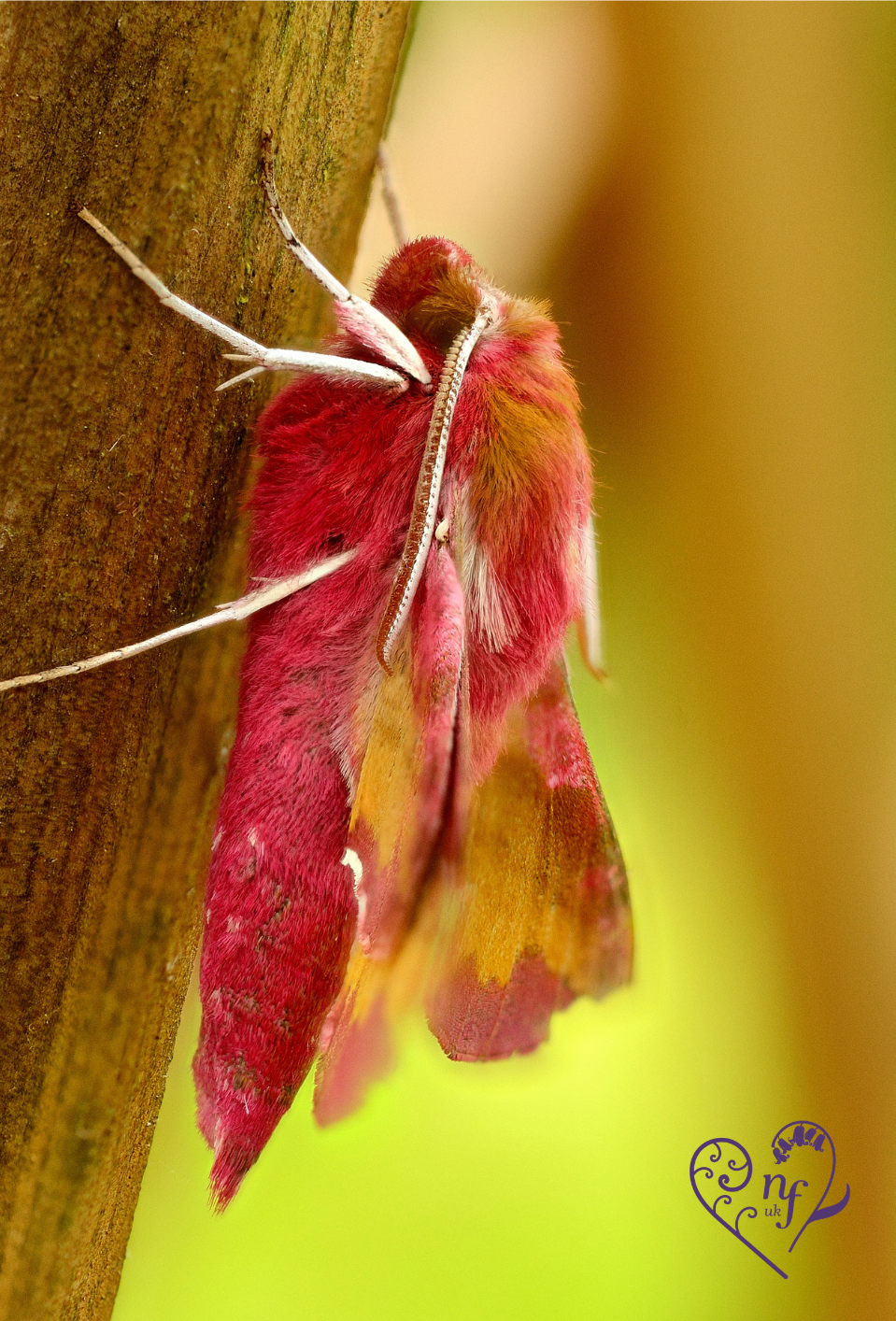
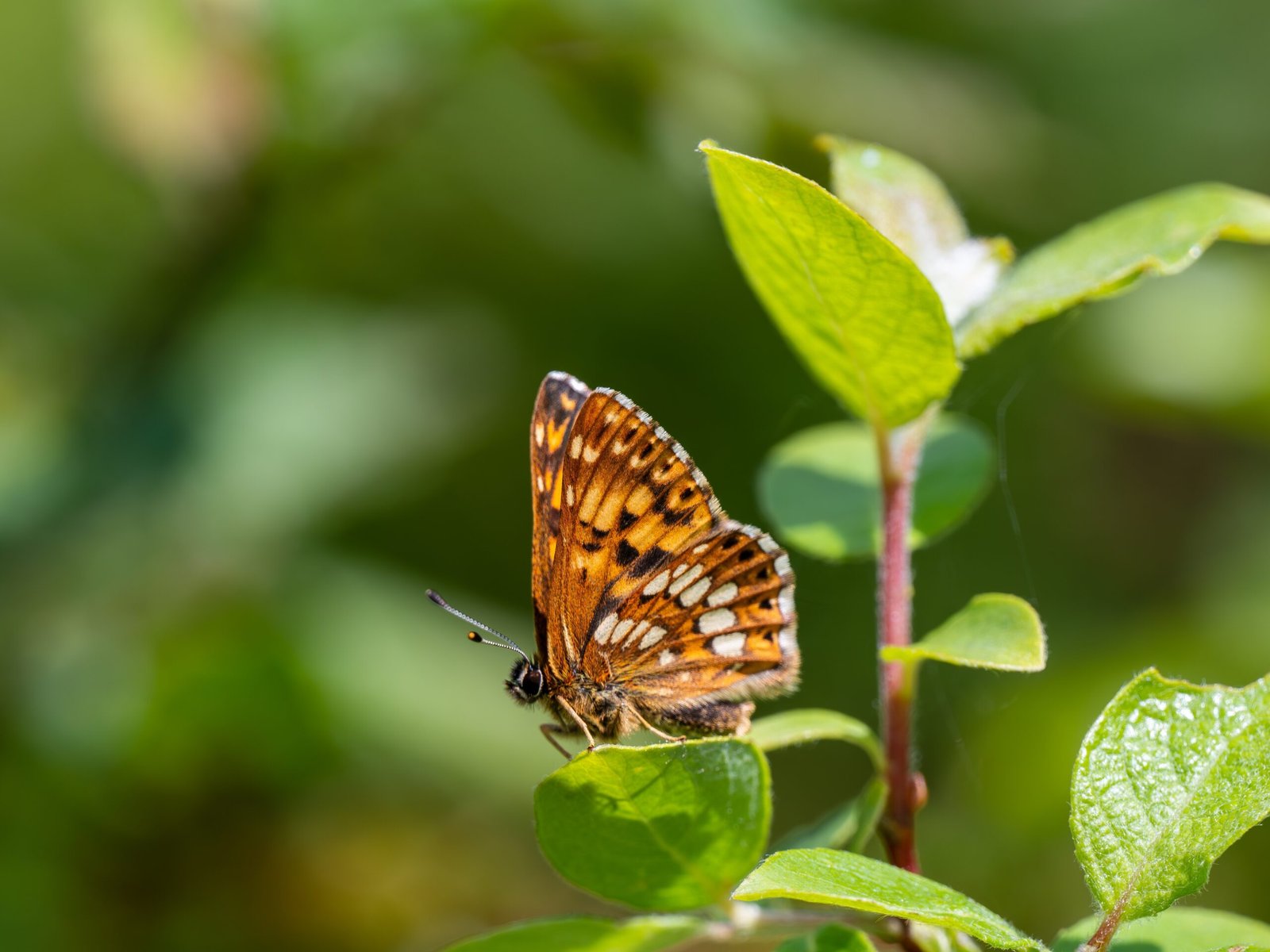
The rustle of leaves, birdsong, the buzz of bees… even the soft movement of butterfly wings if you’re still enough to notice.
And even at its brightest, natural light is softer than the harshness of fluorescent lighting, which so often overwhelms rather than soothes.
Nature is full of gentle, repeating patterns too.
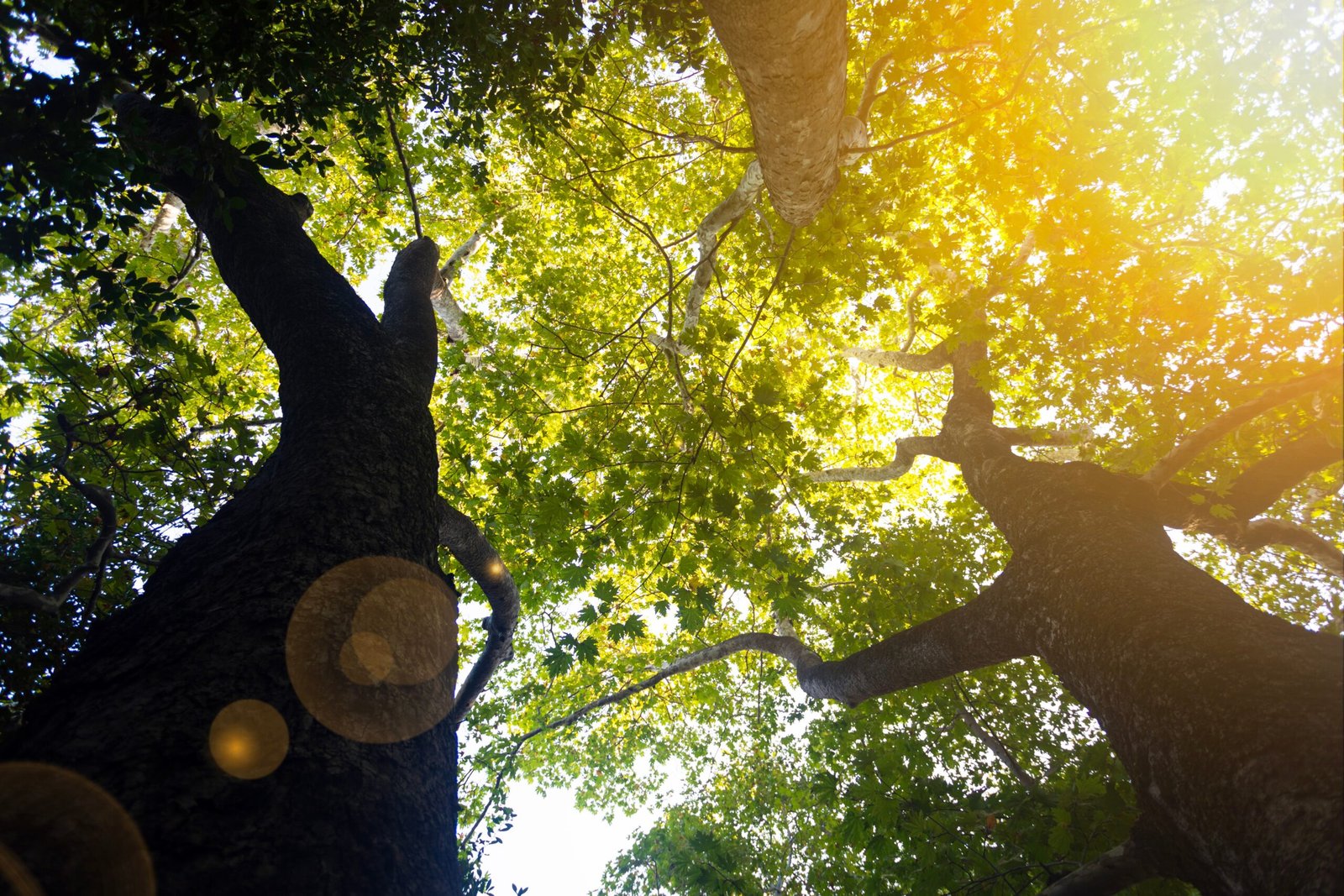
In the shapes of branches, leaves, petals. These patterns just exist, and studies suggest they can have a calming effect on our nervous system.
Even the air itself can help. Plants release natural compounds that support wellbeing, not just in summer, but all year round.
You don’t have to do anything with this.
You might simply notice it.
Or reach out and touch something nearby – a leaf, bark, soil – and feel a different kind of connection.
And when you spend time among it, even briefly, you increase the chance of small encounters.
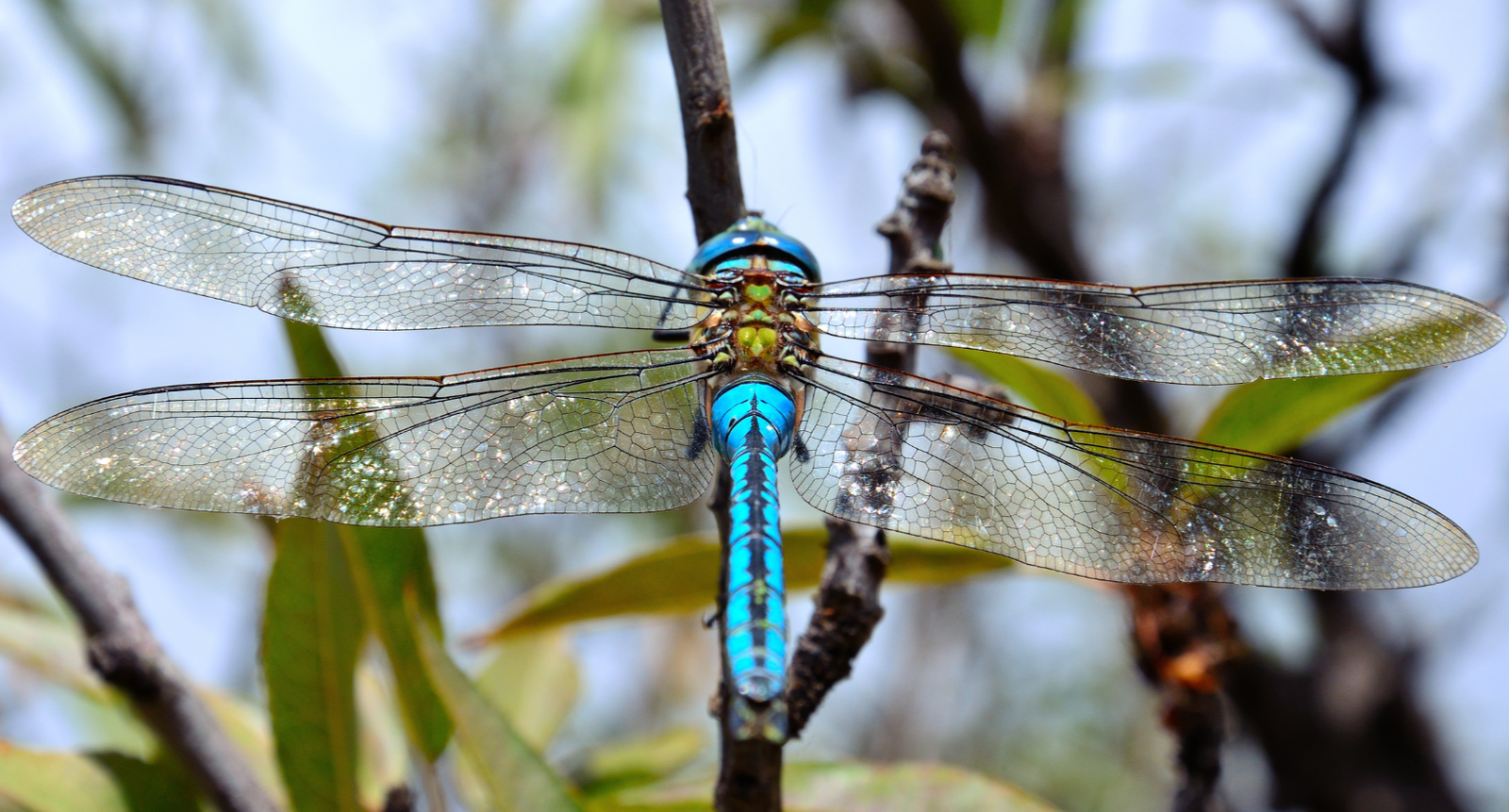
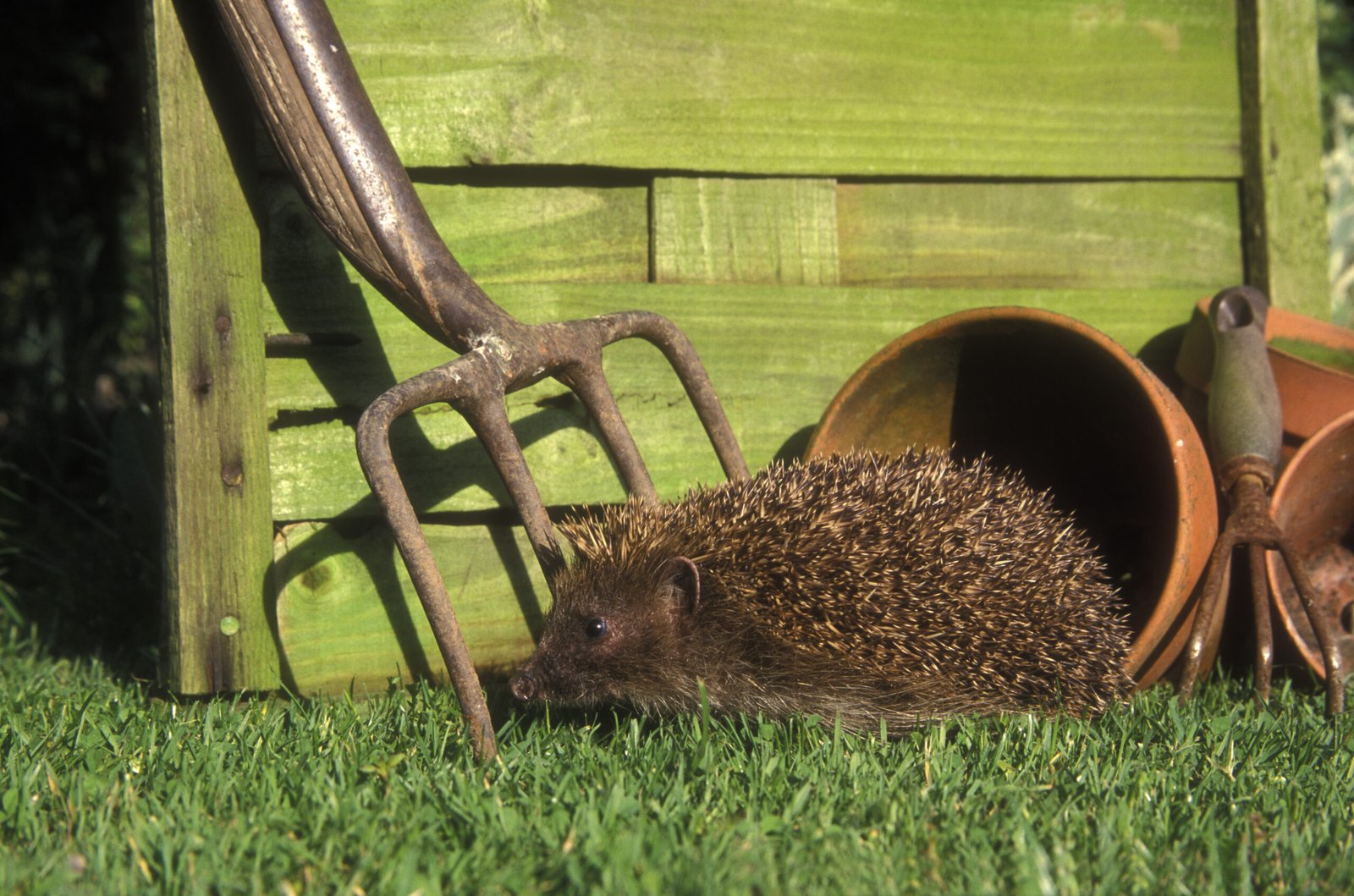
Insects, birds, maybe even mammals.
Watching them go about their lives, without urgency or expectation, can gently pull your attention away from your own thoughts, even if only for a moment.
I talked about this a lot in my last post, finding such peace and nervous system reset sharing my garden with a fox, exploring the reminder I gained about how wildlife gardening isn’t just about polinators and planting but co-existance and how that in itself is so restorative.
Sometimes, that’s enough to allow nature support for burnout to make an impact and begin to see a difference.
Tiny Ways to Let Nature In
When even small things feel like a lot, there are still low-energy ways to experience nature.
These gentle ways nature support for burnout can be used to recover aren’t prescriptive.
You can pick and choose what feels right, or do none of them at all.
If going outside feels physically impossible, I understand that feeling so well.
You might start by noticing the light in your room.
How it moves across the space.
How it casts shadows.
How it changes throughout the day.
The window can be open or closed, it doesn’t matter.
You might sit or lie near it, or simply notice from where you already are.
When I was really unwell, I did this.
One day, a wren hopped along my windowsill for a while before flying away again.
You might be lucky enough to spot a sparrow or a blue tit too.
If even that feels like too much, you could look at images of nature.
Or revisit a memory.
Or imagine a moment in a forest, by a lake or the sea – anywhere that feels like your own private retreat.
If you are looking at pictures, I gently suggest using a book or artwork rather than a device.
From personal experience, notifications can quickly pull your attention away from the moment and back into noise.
But it might feel different for you, and that’s okay too, and I have in the past enjoyed wildlife photography with a mobile phone for time enjoying the benefits of nature.
If you’re able to step outside, even for a minute, that’s enough.
You might sit, stand, or simply pause.
You could touch something natural to ground yourself.
A leaf, bark, soil.
And if you can’t get outside, a houseplant can offer the same kind of connection.
Whether you’re indoors or out, you can also just listen.
Birdsong, distant sounds, movement in the air.
You don’t need to identify anything.
You don’t need to focus.
You can just be there with it.
Using nature support for burnout is an open ended opportunity, a chance to find what works for you and your recovery.
Letting It Be Enough
Small still counts.
Even the smallest moment of noticing is valid and enough.
Consistency and duration don’t matter here.
This isn’t something that needs to go on a to-do list or in your calendar, unless that genuinely feels helpful to you.
There’s no right way to do this.
Nature isn’t another task to complete.
It’s a form of support for your nervous system when you’re experiencing burnout.
Something that can gently reduce the noise of daily life, rather than add to it.
When you’re feeling too tired to do anything, allowing yourself to soften – rather than forcing activity – can make all the difference.
Nature support for burnout works exactly because it’s not a tick box perscriptive solution.
These quiet moments don’t need to add up.
They don’t need to lead anywhere.
This isn’t something to track or measure.
It’s simply about being present, as yourself, in that moment.
And that’s where nature and wellbeing meet, and where nature support for burnout really starts to make a difference.
Not in pressure or progress, but in permission.
Permission to pause.
Permission to rest.
Permission to be exactly where you are.
When You’re Ready (Optional, Gentle Expansion)
Only if and when it feels possible, you might find yourself wanting to spend a little longer in nature.
There’s no rush to get here.
A short walk might feel like a natural next step, but it’s important to go gently.
Energy can vary from day to day, so it helps to stay aware of how your body feels as you go.
You might begin by noticing small shifts.
If something feels slightly off, that can be a sign to pause, rest, or turn back earlier than planned.
It’s not about pushing through.
Sometimes the simplest option is the best place to start.
Sitting outside for a little longer, especially somewhere comfortable and easy to access, can be enough.
You might choose to pair this with something quiet and creative.
Sketching, painting, or journaling.
Letting it be inspired by what’s around you, if that feels natural.
Over time, you may begin to notice small patterns.
Changes in the seasons, the light, the way you feel.
You might like to record these in your journal.
If your energy begins to return, you might feel drawn to other activities.
Walking a little further.
Cycling.
Fishing.
Even horse riding.
But there’s no expectation to reach that point.
Whatever your next step looks like, keep it soft.
Let it meet you where you are, rather than trying to meet it.
If it feels right for you, you might begin to notice what gently supports your own recovery over time and maybe add it to the comments.
Flourish Challenge
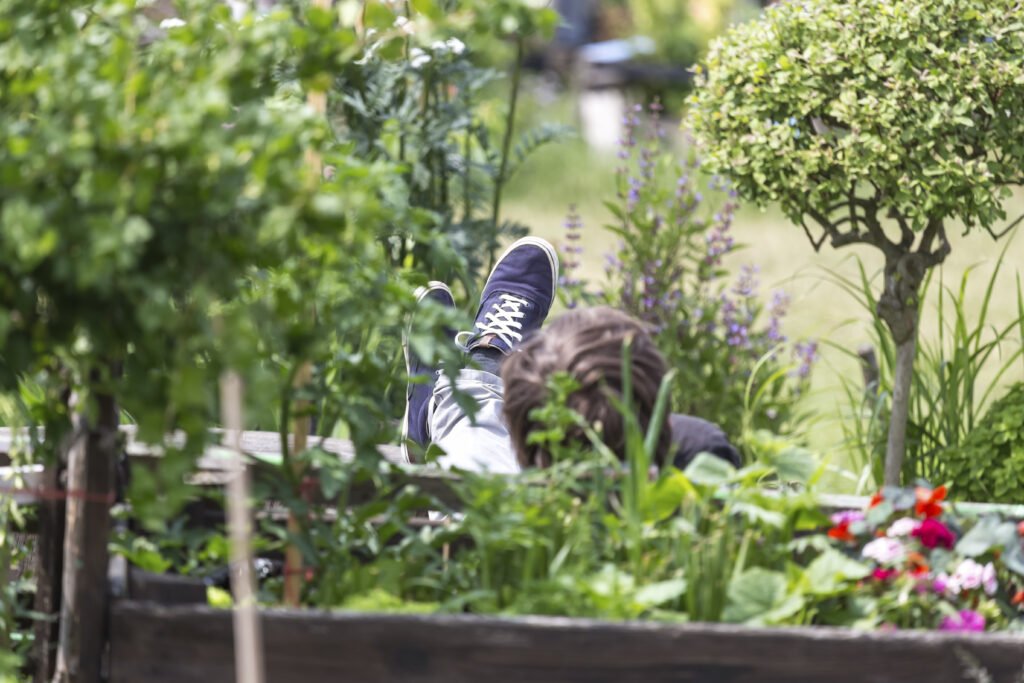
Try this: Sit somewhere comfortable and notice one thing around you. It could be light, sound, movement, or texture.
Stay with it for as long as feels okay. Then stop. That’s enough.
Conclusion
Burnout and exhaustion don’t need more pressure.
If you’re feeling too tired to do anything, that isn’t something to fix quickly or push through. It’s something to listen to.
Recovery doesn’t have to be big or visible.
It can be quiet.
Slow.
Almost unnoticeable.
Nature offers a kind of support that asks nothing from you.
Whether it’s a moment of light in a room, the sound of birds, or a brief pause outside, it can gently support your nervous system during burnout without adding to the weight you’re already carrying.
There’s no perfect way to approach nature support for burnout recovery.
No routine to follow.
No expectation to feel better straight away.
Just small, gentle moments that meet you where you are.
Over time, these moments can become something you return to.
Not as a task, but as a source of quiet support.
Nature and wellbeing don’t need effort to connect.
They simply exist alongside each other, ready when you are.
And for now, that’s enough. 💛
If you’d like to see more of how I experience nature for reset and burnout support, I’d love to share my journey with you on Instagram, Tik Tok or through my monthly newsletter.
Clare 🌿