
Many people think they don’t have access to nature.
Perhaps they live in a town or city. Maybe they don’t have a garden. Perhaps life feels too busy, or they worry they don’t know enough.
But wildlife doesn’t only exist in wild places.
It’s almost everywhere.
In parks, streets, gardens, cemeteries, rooftops and tiny patches of green, birds, insects and mammals are quietly getting on with their lives. Most of the time, we simply don’t notice them.
Noticing wildlife isn’t something you have to be good at.
It’s something you can return to.
And you can start whenever you want to.
You Don’t Need to Go Anywhere Special to Notice Wildlife
Wildlife is already where you are.
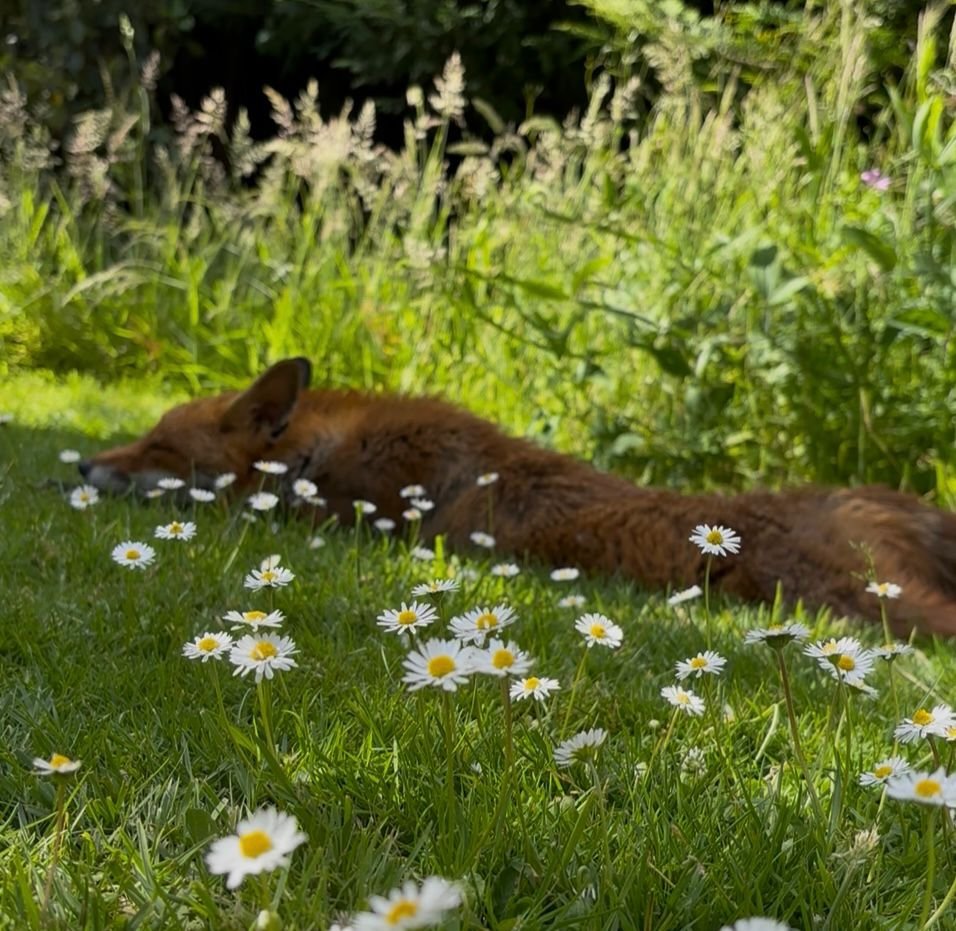
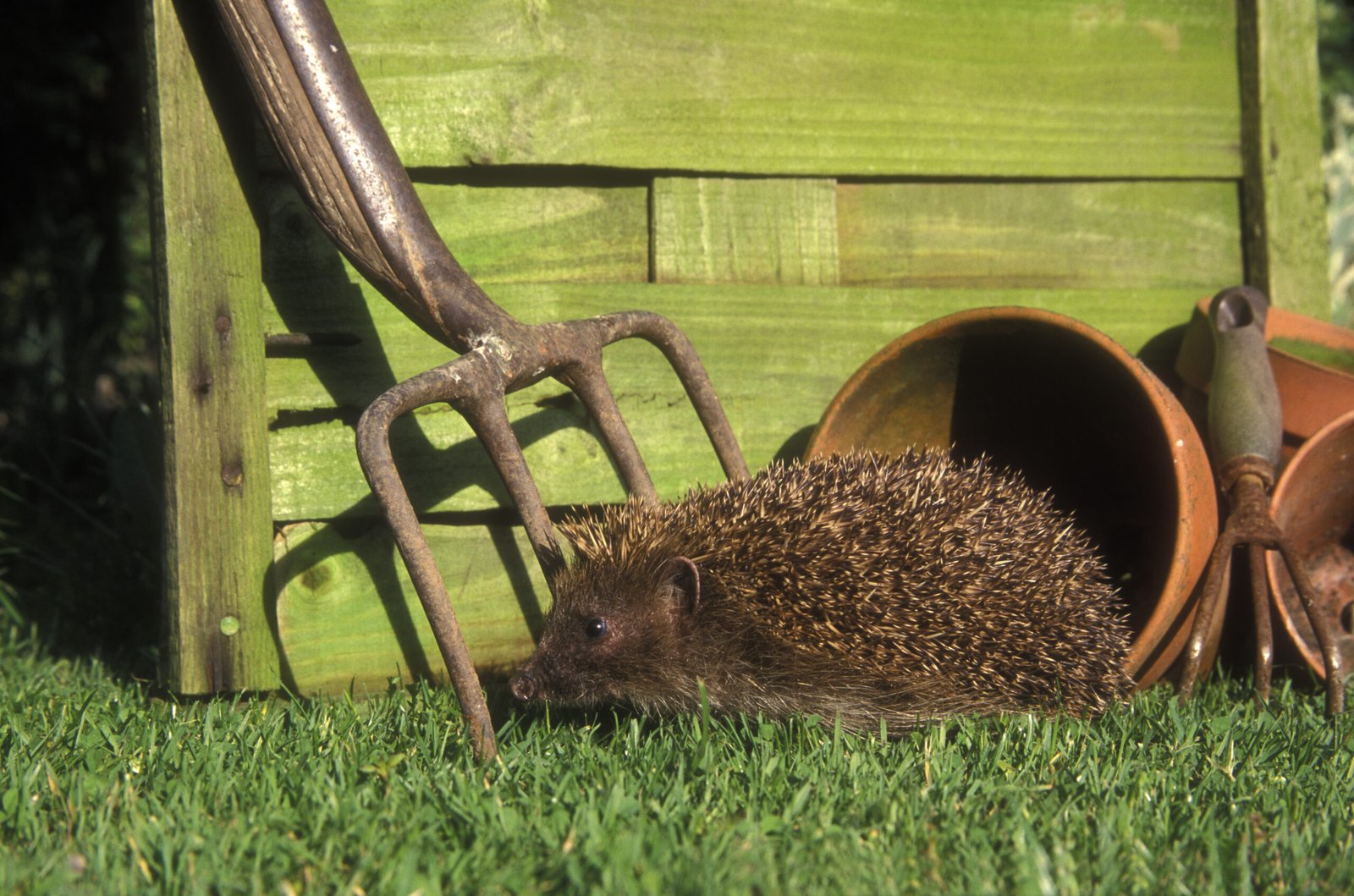
Birds nest under roof tiles, insects visit roadside flowers, foxes wander quiet streets and hedgehogs still find their way through our gardens. Peregrine falcons nest on cathedrals and office blocks. Ring-necked parakeets brighten parks with their tropical colours.
Even unexpected places can hold surprises. Deer are known to visit cemeteries and green spaces in towns, while large flocks of pigeons, sparrows, gulls and starlings gather around stations, supermarkets and rooftops.
I once saw a gull catch and eat a pigeon while waiting for a train. It wasn’t pretty, but it was natural.
You’re not starting from nothing.
You’re starting from where you already are.
Slowing Down Changes What You See
Wildlife is often easier to notice when we’re not rushing.
When we move quickly or are distracted, we tend to miss the small things happening around us.
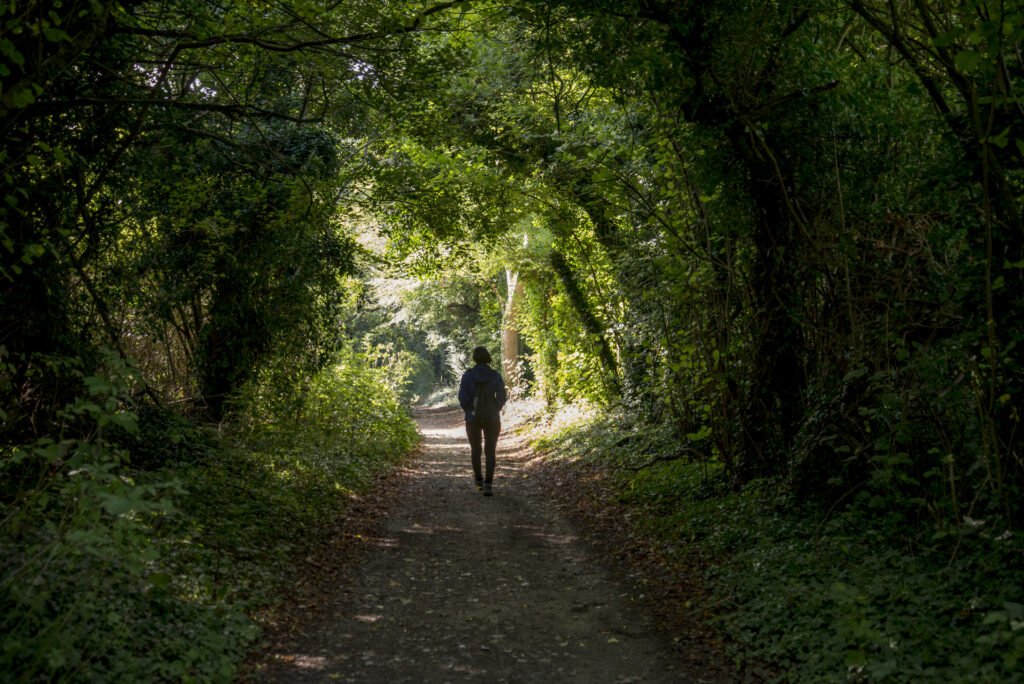
Slowing down doesn’t mean stopping completely. Even walking a little more slowly or sitting quietly on a bench for a few minutes can change what you notice.
Animals often appear when things feel calm.
Stillness invites observation.
Noticing wildlife isn’t about searching harder.
It’s about moving slower.
Looking for Tracks and Small Signs
You don’t always need to see an animal to know it’s been there.
Wildlife leaves clues.
Feathers on the ground.
Footprints in mud.
Spider webs sparkling in the morning light.
Nibbled leaves.
Burrows.
Pathways through long grass.
Even disturbed soil or droppings can tell stories.
Sometimes these signs are easier to find than the animals themselves.
You don’t need to see wildlife to know it’s there.
Listening at Dusk and Early Morning
Sound is one of the easiest ways to connect with nature.
Birdsong at dawn.
Blackbirds singing in the evening.
The rustle of leaves as a hedgehog moves through a dark residential street.
The chatter of sparrows.
The calls of gulls overhead.
Even towns carry natural sounds if we pause long enough to listen.
You don’t need to identify what you hear.
You don’t need to know names.
You can simply notice.
Listening is enough.
Noticing Patterns Over Time
Wildlife becomes easier to notice the more often you look.
You might begin to recognise the same robin visiting a particular fence post.
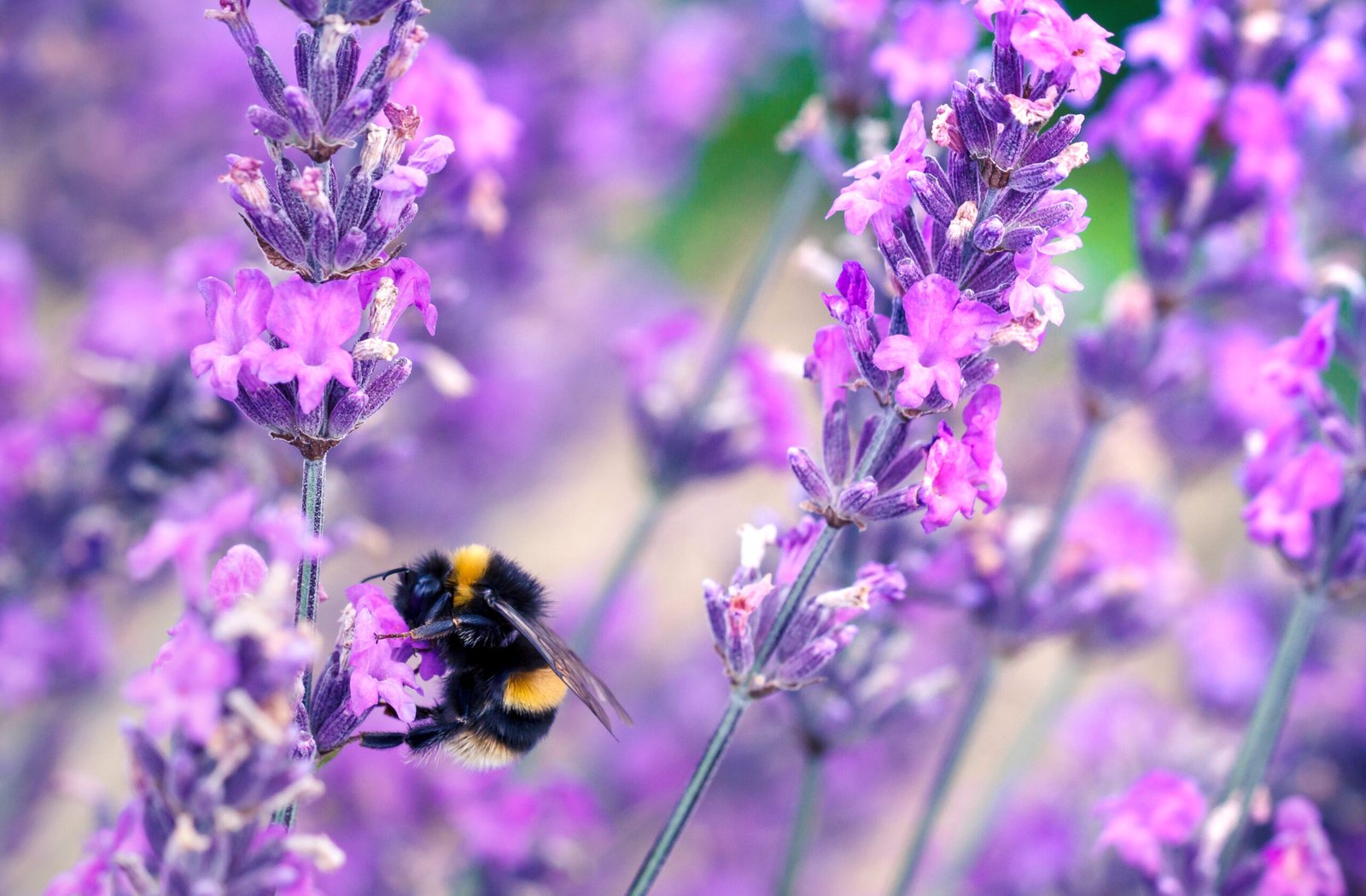
Or notice that bees appear on sunny mornings.
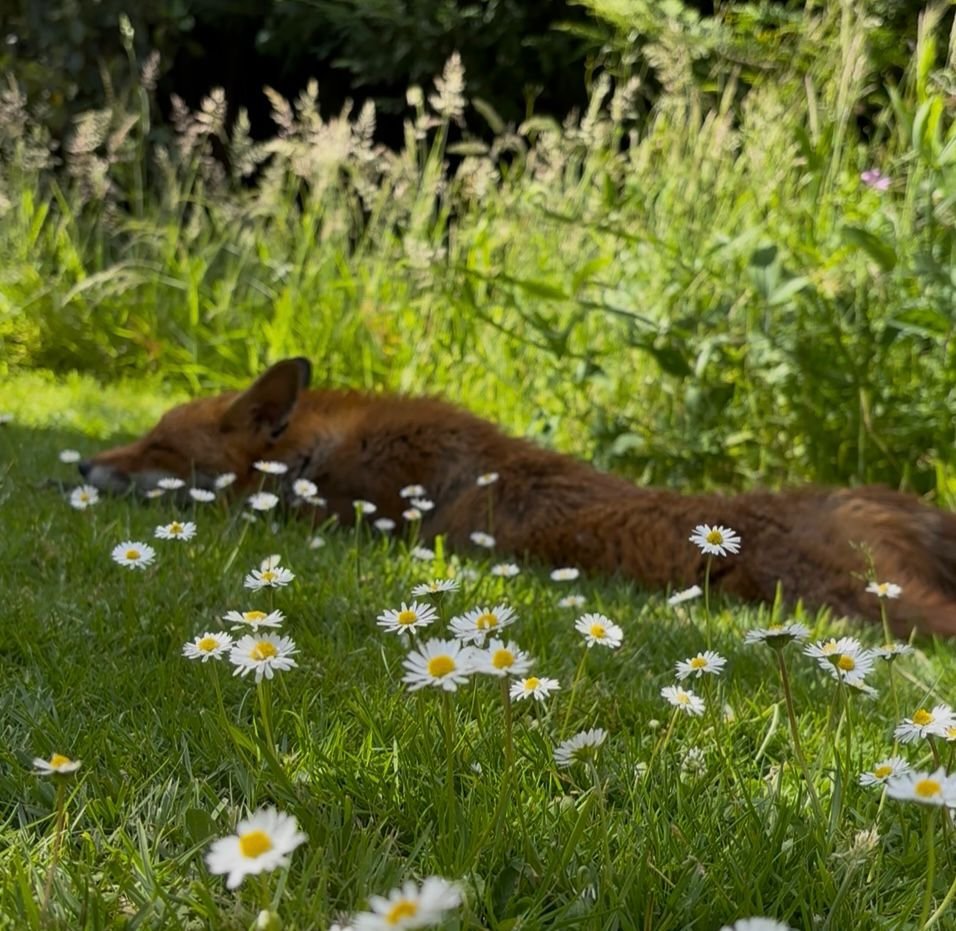
Perhaps foxes pass through at the same time each evening.
You may start to notice seasonal changes too.
Migration.
Flowering.
Autumn berries.
Insects emerging.
Light and weather changing behaviour.
Noticing builds over time.
There’s no need to get it instantly.
Noticing Wildlife Doesn’t Need to Be Complicated
You don’t need expensive equipment.
You don’t need to identify species.
You don’t need to remember names.
You don’t need to become an expert.
This isn’t about being good at wildlife.
It’s about noticing.
And perhaps rediscovering something we’ve always belonged to.
Gentle Ways to Start
You could:
- Pause for a minute outside.
- Sit by a window.
- Watch one bird.
- Listen to the sounds around you.
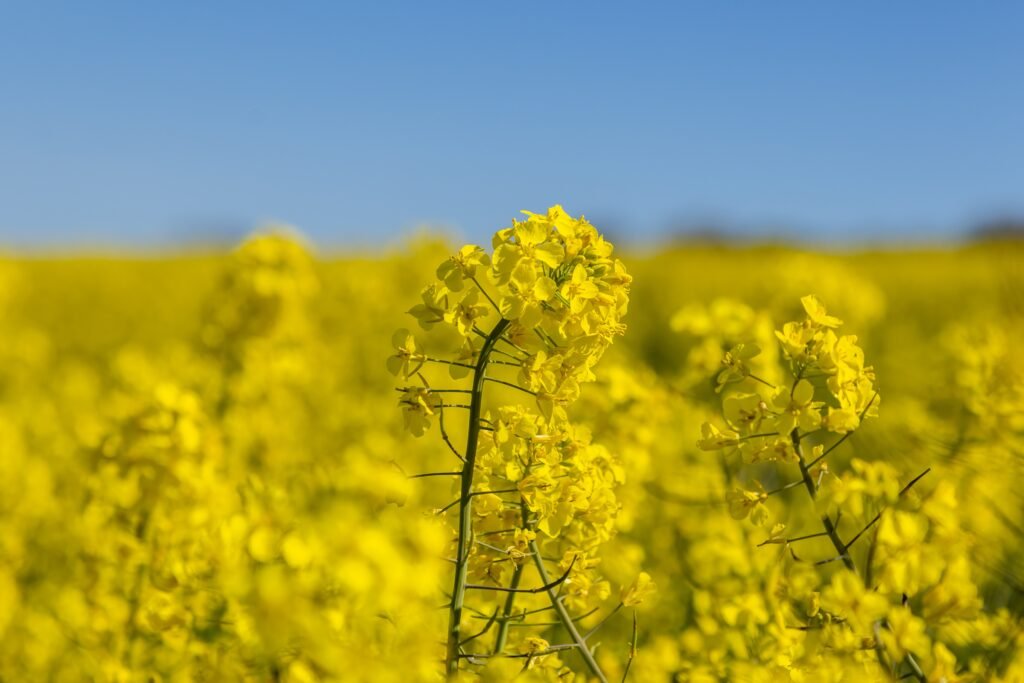
- Notice the movement of insects in flowers.
- Look at one small patch of grass instead of trying to see everything.
These aren’t instructions.
They’re invitations.
A Small Flourish Challenge
Step outside, or sit by a window, and notice one thing that suggests wildlife is nearby.
Perhaps it’s a sound.
A movement.
A feather.
A bee.
Stay with it for a moment.
Then stop.
That’s enough.
A Gentle Ending
Wildlife doesn’t only exist in nature reserves or faraway places.
It exists beside us.
Even in towns.
Even on ordinary days.
You don’t need to know more.
You don’t need to do more.
You can simply notice.
And perhaps, little by little, remember that you are part of nature too.
Clare 🌿
If you’d like to see more of how I experience nature for reset and burnout support, I’d love to share my journey with you on Instagram, Tik Tok or through my monthly newsletter.

2 Responses
Great content! Keep up the good work!
I’m glad you enjoyed it, and appreciate you taking the time to comment – thank you! Please do let me know if there’s anything you’d like to see on here. I’m always open to suggestions.