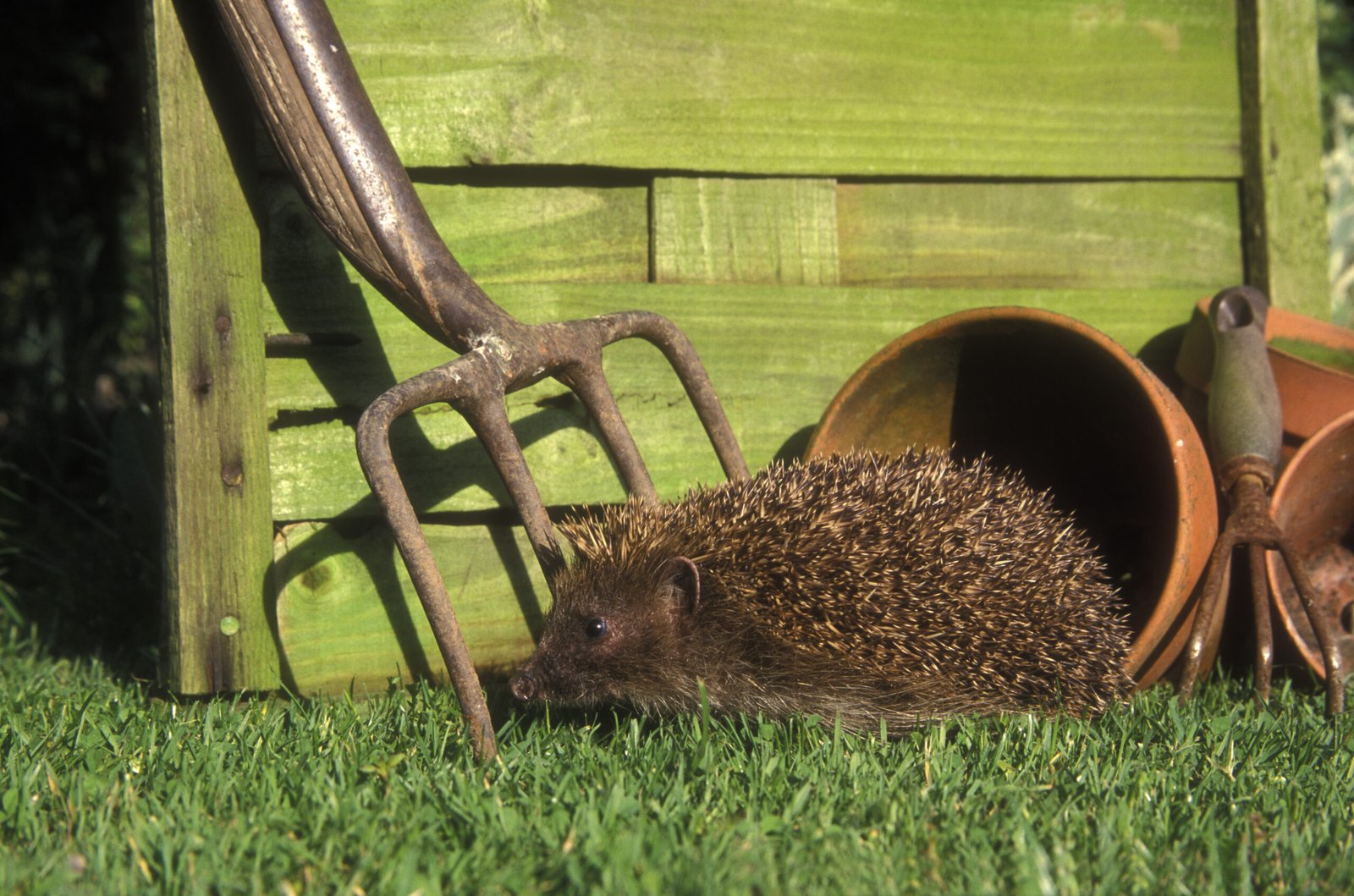
There’s something wonderfully special about spotting a hedgehog in the garden. Most of the time they go about their busy little lives while we’re asleep, snuffling through flower beds, rustling leaves and exploring the hidden corners of our gardens. Seeing one feels like being let in on a little secret.
When people think about interesting facts about hedgehogs, they often picture their famous spines or adorable faces. But there’s so much more to these curious, determined little creatures than first meets the eye.
Last April, I had the privilege of releasing two rescue hedgehogs back into the wild after they had recovered. I haven’t seen either of them since. At first, I felt disappointed, but then I realised that perhaps that’s exactly how it should be. Wild animals belong in the wild. If they’ve quietly slipped back into their natural routines, exploring hedgerows and gardens without needing us, then that’s one of the happiest endings they could have had.
In this guide, we’ll explore fascinating facts about hedgehogs, discover where they like to live, learn about their wonderfully chaotic personalities and look at simple ways we can help them thrive.
Interesting Facts About Hedgehogs and Their Quirky Behaviour
Although hedgehogs often appear timid, there’s more to them than meets the eye…
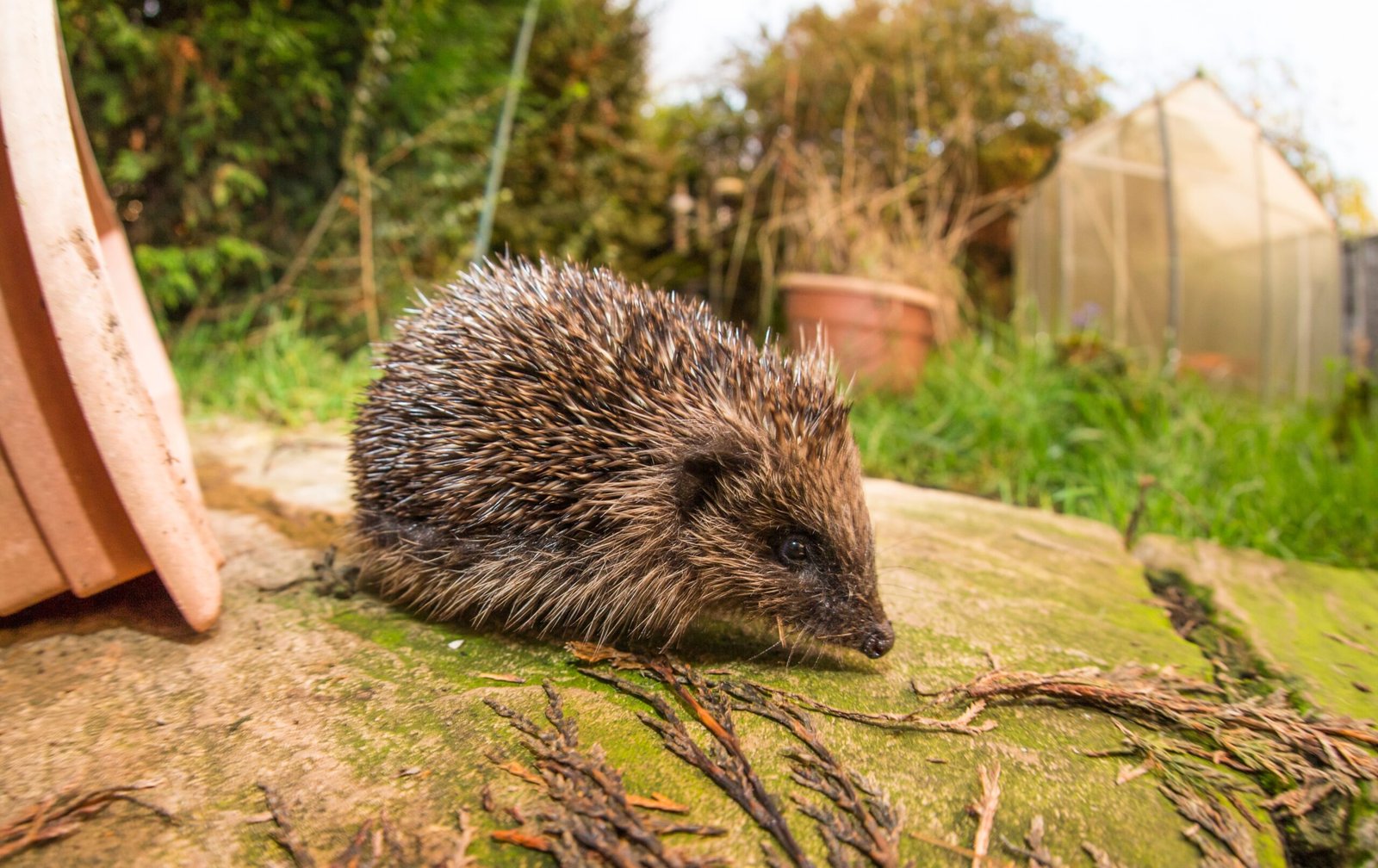
They’re nocturnal, meaning they spend most of the day tucked safely away before emerging at dusk to begin their nightly adventures. Once darkness falls, a hedgehog may travel over a mile or two in search of food, water or even a potential mate.
If you’ve ever heard one before you’ve seen it, you’ll know they’re not exactly quiet visitors. Hedgehogs snuffle, crunch, rustle and shuffle their way through the garden with impressive determination. They seem to investigate absolutely everything.
Their slightly chaotic nature is one of the things I love most about them.
They’ll squeeze into unexpected places, knock lightweight objects over, disappear into piles of leaves and wander straight through the middle of the garden rather than taking the neat path around it. They don’t seem to believe in straight lines.
Despite their poor eyesight, hedgehogs have an incredible sense of smell and excellent hearing, helping them navigate the world after dark.
Of course, their most famous behaviour is curling into a tight ball when they feel threatened. Thousands of sharp spines become a remarkably effective defence, protecting the soft body hidden underneath.
Hedgehogs may seem quiet and shy, but after dark they’re busy, determined little bulldozers living surprisingly complex lives.
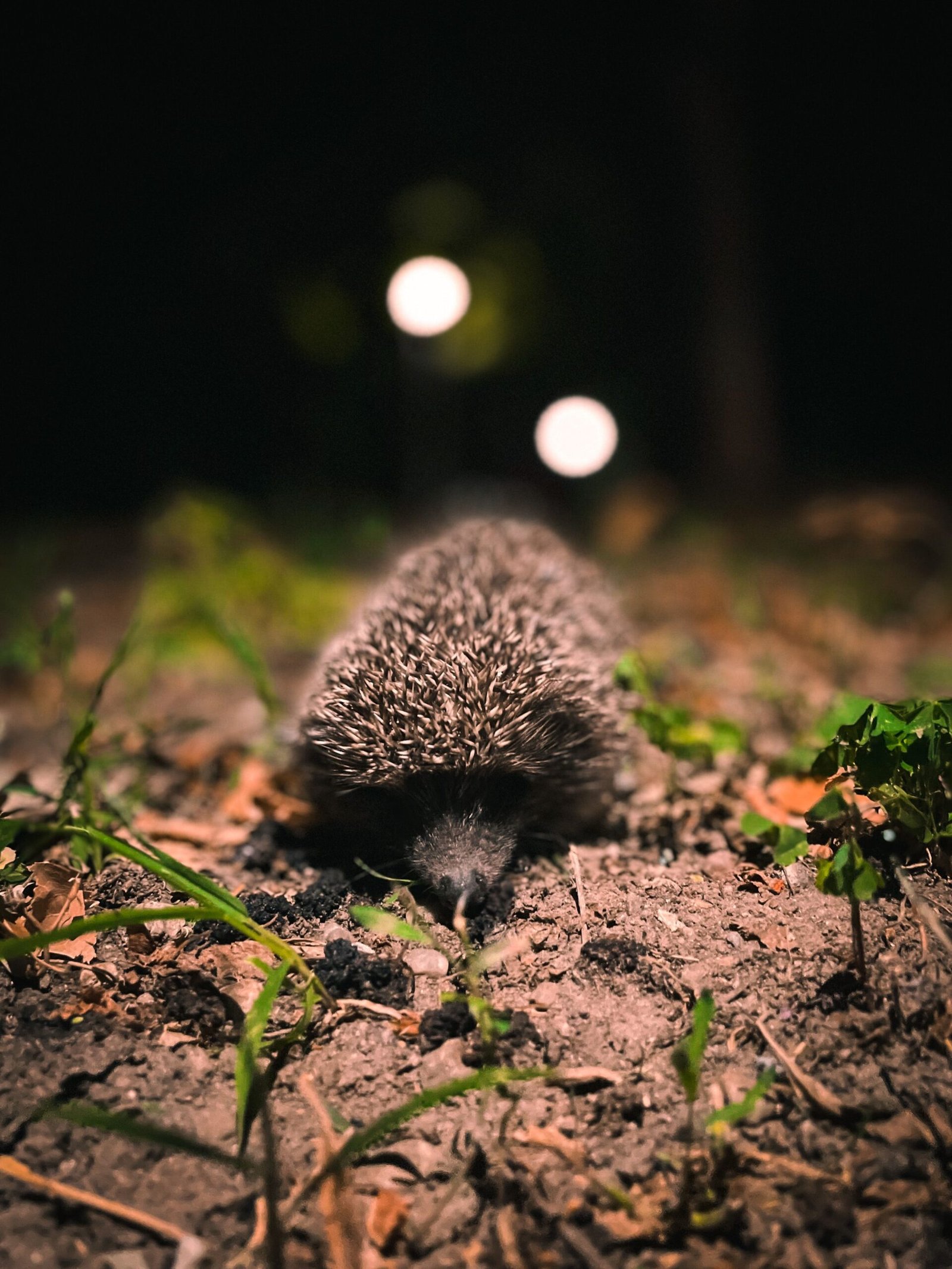
Hedgehog Habitats: Where Do Hedgehogs Like to Live?
Healthy hedgehog habitats are often a little wilder than many people expect.
They thrive in places with:
- Hedgerows
- Long grass
- Log piles
- Leaf litter
- Connected gardens
- Quiet corners full of insects
Very tidy gardens can accidentally remove many of the places hedgehogs rely on for shelter and food.
One of the best things we can create is simply a “wild corner” where nature is allowed to get on with being nature.
Leaving fallen leaves beneath shrubs, allowing insects to flourish, reducing pesticide use and keeping natural areas undisturbed all make a real difference.
One of the biggest challenges hedgehogs face today is getting from one garden to another. Small gaps beneath fences – often called hedgehog highways – allow them to safely move between feeding areas without being trapped.
Helping hedgehogs doesn’t always mean doing more. Sometimes leaving nature alone is one of the kindest things we can do.
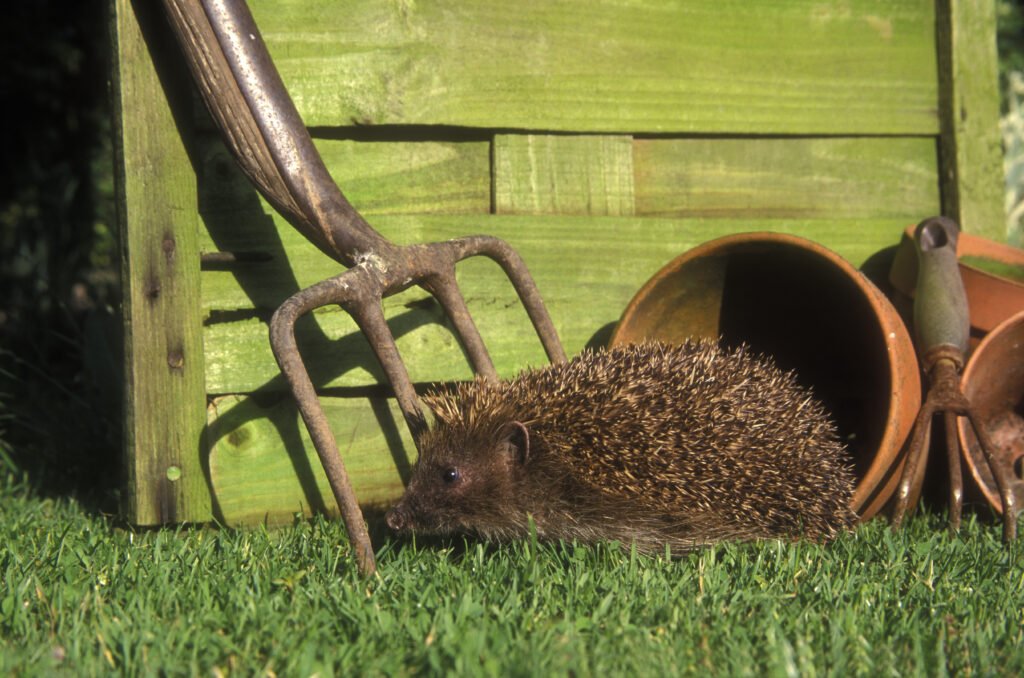
Hedgehog Nests: How Do Hedgehogs Create Their Cosy Homes?
Hedgehogs are surprisingly talented builders.
Using leaves, grass, moss and other natural materials, they carefully construct cosy nests designed to keep them warm, hidden and protected.
Different nests serve different purposes throughout the year.
Some are simple daytime resting places where they sleep safely between nighttime adventures.
Others become maternity nests where tiny hoglets are born and raised.
During autumn, hedgehogs build much more substantial nests ready for hibernation, packing together layers of leaves and grasses to provide insulation through the colder months.
Because these nests blend so naturally into the garden, they’re incredibly easy to miss.
Before moving piles of leaves, clearing overgrown areas or lighting bonfires, it’s always worth taking a careful look first.
What appears to be a messy pile of garden debris to us may actually be someone’s carefully built home.
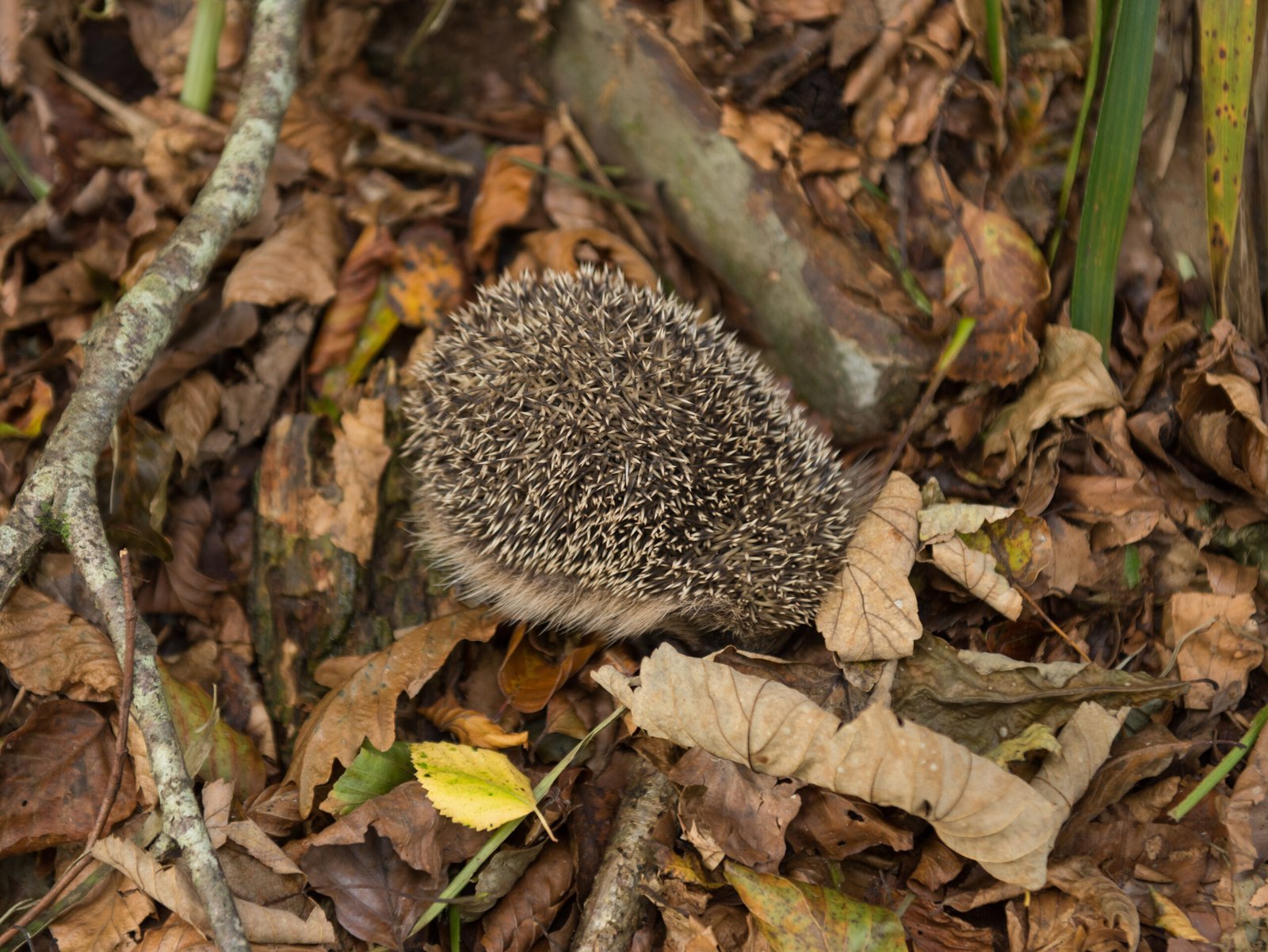
How to Look After a Hedgehog Visiting Your Garden
People often ask how to look after a hedgehog that regularly visits their garden.
Thankfully, supporting wild hedgehogs doesn’t need to be complicated.
Provide fresh water
A shallow dish of clean water is one of the most helpful things you can offer, particularly during hot weather.
If additional food is needed, choose food specifically recommended for hedgehogs or suitable meaty cat food.
Avoid offering milk or bread, as hedgehogs are lactose intolerant and these foods can make them poorly. Mealworms can cause disease, although it’s difficult to prevent one creature gobbling up what was intended for another creature!
Make your garden safer
Small changes can prevent serious accidents.
- Check long grass before strimming.
- Cover drains and deep holes.
- Take care when lighting bonfires.
- Avoid pesticides wherever possible.
Create access
Leaving small gaps beneath fences helps hedgehogs travel naturally between gardens while searching for food.
Releasing Rescue Hedgehogs Back Into the Wild
Helping rescue hedgehogs return home was one of the most rewarding wildlife experiences I’ve ever had.
Listening to them disappear back into the undergrowth felt exciting, hopeful and just a little emotional.
I haven’t seen either of them since.
For a while I wondered if they were okay.
Then I realised that perhaps the greatest compliment we can pay wild animals is allowing them to become wonderfully ordinary again.
If they’re exploring, finding territory, building nests and living quietly without needing us, then they’re doing exactly what nature intended.
Sometimes helping wildlife means giving them everything they need…
…and then letting them go.
Please remember that wild hedgehogs are not pets, they may show themselves when you’re outside but looking after them means supporting their natural behaviours rather than interfering too much.
More Interesting Facts About Hedgehogs
Here are a few more fascinating interesting facts about hedgehogs:
- Hedgehogs have between 5,000 and 7,000 spines.
- Baby hedgehogs are called hoglets.
- They’re lactose intolerant, so milk should never be offered.
- Hedgehogs hibernate during colder months.
- They’re surprisingly good swimmers but need easy escape routes from ponds and steep-sided water.
- Their ancestors have been around for millions of years.
For such small animals, they have an incredible evolutionary story.
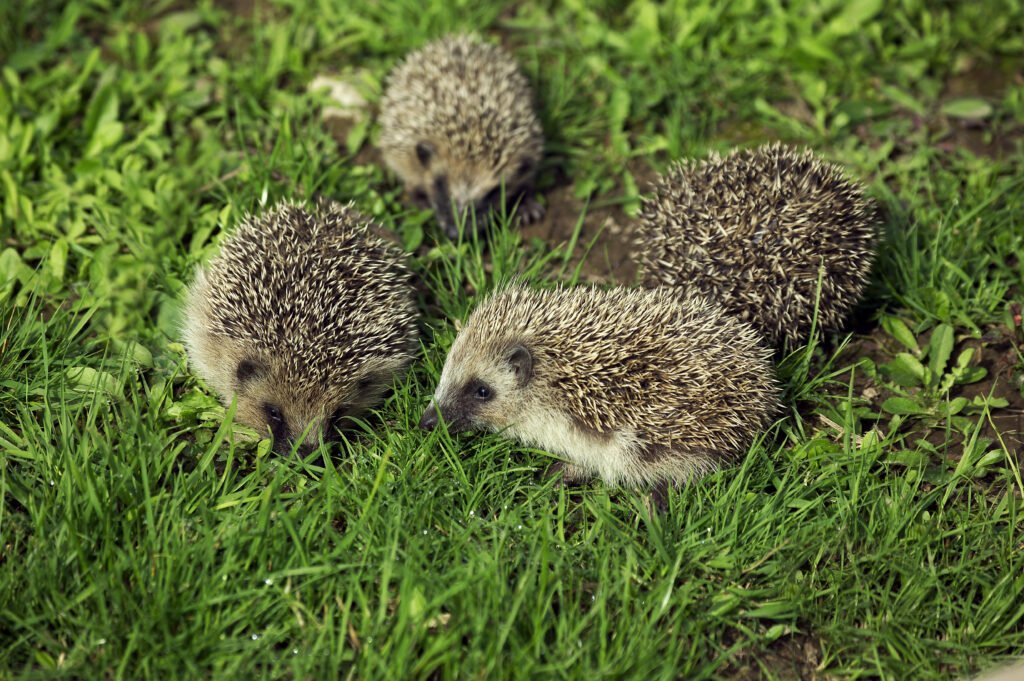
Flourish Challenge
Try this: Spend five minutes looking for signs of hedgehogs nearby.
You might notice:
- Little pathways weaving through plants.
- Rustling leaves at dusk.
- Tiny footprints in soft soil.
- Evidence that something has been exploring while you were asleep.
You don’t always need to see wildlife to know it’s there.
Sometimes noticing the clues is just as magical.
Conclusion
Hedgehogs remind us that there’s always more happening than we can see.
While we sleep, tiny adventures unfold beneath hedgerows, through flower beds and under piles of leaves. Quiet lives continue around us whether we notice them or not.
By embracing slightly wilder gardens and making small, thoughtful choices, we create spaces where hedgehogs and countless other creatures can flourish alongside us.
A garden doesn’t have to be perfect to be full of life.
Sometimes the wild, messy corners are where the real magic happens.
❤️🌿
Notice more.
Exhale often.
Flourish, wild ones. 🦊
Clare 🌿
If you’d like to see more of how I experience nature for reset and burnout support, I’d love to share my journey with you on Instagram, Tik Tok or through my monthly newsletter.