There’s a hush to the garden now, a soft slowing that marks the turning of the season.
The leaves have mostly fallen. The hedgerows are bare. And there’s a deep, earthy scent in the air that says winter isn’t far away. But even in this quieting month, there are things we can do to gently support the wildlife who call our gardens home.
November isn’t about overdoing it. It’s about preparation and presence… doing just enough to help our outdoor spaces shift into stillness, while staying mindful of the creatures tucking themselves away for winter.
Here are a few small acts of seasonal care to tend to your wildlife garden this November…

1. Start Feeding the Birds (and Clean Out Their Boxes Too)
Food sources are dwindling and garden birds will soon come to rely on whatever steady supplies they can find. There’s so much we can offer to support wildlife in our gardens during these colder months. This is a good time to:
- Put out high-energy food like suet balls, mealworms, and sunflower hearts
- Begin daily feeding routines so local birds learn where to return
- Rinse out water dishes and birdbaths to ensure a clean source of hydration
- Clean out any old bird boxes to avoid parasites overwintering and to make a safe place for roosting
Tip: Always wear gloves and a mask when cleaning bird boxes to protect both you and the birds. Use boiling water to clean them, no soaps or chemicals needed.
You might like to revisit October’s blog for more on creating a wildlife-friendly bird corner.
2. Check Bonfires Before Lighting
Bonfire Night might be a highlight of the season for us, but for wildlife it can be deadly.
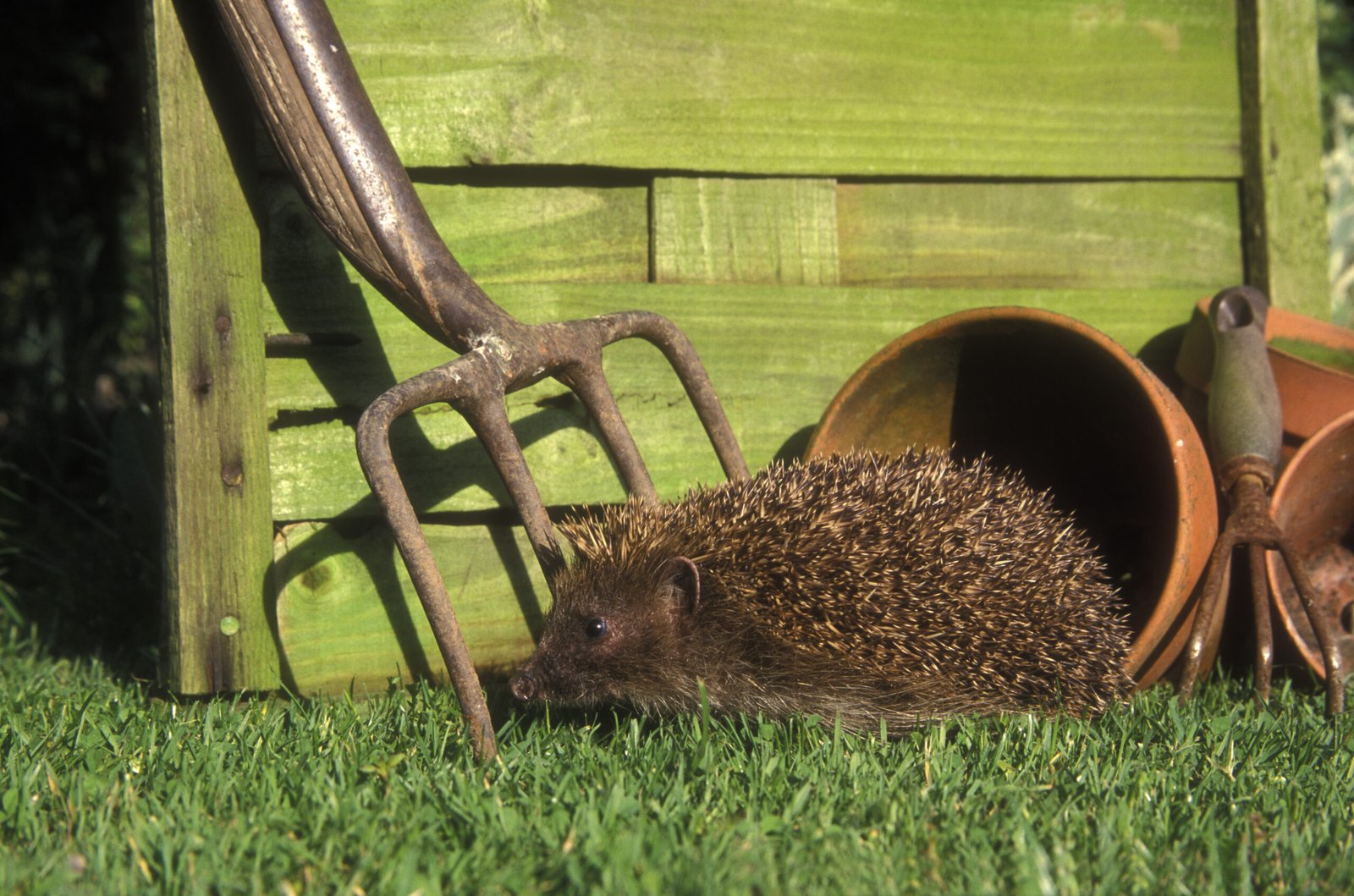
Piles of leaves and wood look like the perfect hibernation spot for hedgehogs, frogs, toads, and other small creatures. Before lighting your bonfire, gently:
- Move the pile to a new location right before lighting
- Use a stick to gently prod through the stack
- Shine a torch underneath and look for movement
- Never light a bonfire that’s been sitting for days without checking first
If you do find a hedgehog, gently move it to a quiet, leaf-filled corner of your garden where it can re-settle safely.
My September blog covers more on creating hedgehog-friendly hiding places.
3. Prune Fruit Trees and Bushes
As leaves fall and trees become dormant, November is a perfect time for light structural pruning. Done correctly, it can:
- Improve air flow and reduce disease
- Encourage strong growth for next year
- Help your fruit bushes and trees rest well over winter
Stick to the basics:
- Remove dead or damaged branches
- Open up crowded centres
- Avoid heavy pruning… just a tidy-up is enough
This mindful tending now will reward you with stronger, healthier trees in spring, which I’m excited to start planning ahead for, ready for the season of blooming colour, fresh life and new fruits.

Flourish Challenge for November: Create a Bird Feeding Station
This month’s Flourish Challenge is a gentle, rewarding one… and one of my favourites. Set up (or refresh) a bird feeding station.
Why?
Because consistency matters. When you create a safe, reliable feeding spot, birds know where to return day after day, especially during the coldest, harshest weeks. Not only does this provide a much needed safe space and food source for birds during the winter, it also provides us something magical: The beauty of watching birds settle in the garden, flutter between feeders and enjoy a moment of stillness before moving on. There’s little I enjoy more during these colder days than having a moment of peace, watching the birds through the window from the warmth of the house.
You can try:
- To choose a quiet spot, ideally near a hedge or tree for shelter
- Offer different feeders: seed feeders, fat balls, and trays for ground feeders
- Keep it topped up daily, especially in icy weather
- Watch who visits! Keep a little notebook nearby to record your sightings
You’re not just feeding birds… you’re creating a rhythm of care, a point of connection with nature in your everyday.
Seasonal Recipe: Spiced Apple & Blackberry Compote

As we continue through this season of preparing and pruning, you may find fruit trees leave you with a few lingering apples. So this month’s recipe is the perfect way to use those spare apples, and because warm, seasonal food is good for the soul.
Here is a simple, nourishing winter compote.
You’ll need:
- 2 apples, peeled and sliced
- A handful of frozen or fresh blackberries
- 1 tsp cinnamon
- 1 tbsp maple syrup or honey
- A splash of water or apple juice
To make:
- Combine all ingredients in a small saucepan.
- Simmer gently for 10–15 minutes, stirring occasionally.
- Serve warm over porridge, yoghurt, pancakes… or simply enjoy on its own.
It tastes like misty mornings and quiet contentment.
Conclusion: A Time to Tend Lightly
November in the wildlife garden isn’t about doing more. It’s about doing just enough. Enough to support the birds. Enough to protect the hibernators. Enough to tend to what’s resting.
As we slow down and find our own energy tends to dwindle too, as the days become colder and we’re drawn to the cosy moments of warmth inside rather than the long sun strewn days in the garden we previously enjoyed, it’s important to find small ways to enjoy gardening and take the pressure off with less expectation.
It’s a month of transition, where things quieten, beds are tucked in, and the last leaves fall. A time to breathe, prune gently, and find presence in the soft stillness.
And as we move into the colder months, don’t forget to sign up for my seasonal letters:
Join the Newsletter for journal updates, seasonal challenges, and slow gardening tips straight to your inbox.
Wishing you stillness, warmth, and a garden full of quiet joy.
Clare
To be the first to see the release, and for regular letters from my garden straight to your inbox, sign up to my newsletter: