Everyone knows that butterflies are colourful whereas moths are brown; and that butterflies come out during the day whilst moths come out at night.
Except…
Nature hasn’t made it quite that easy.
If it had, then this would be the shortest blog in history!
Butterflies and moths are actually very closely related. They both belong to the order Lepidoptera, a name that roughly means “scale-winged”. Their wings are covered in thousands of tiny overlapping scales, and butterflies are actually one branch of the much larger Lepidoptera family tree.
So, what exactly is the difference between butterflies and moths?
Well, there are some useful clues. But there are also quite a few exceptions, because apparently nature enjoys keeping us on our toes.
Let’s explore the difference between butterflies and moths together: how to tell them apart, where the usual rules fall apart, and some of their stranger behaviours…
What Is the Difference Between Butterflies and Moths?
There isn’t one single feature that separates every butterfly from every moth.
Instead, there are a few clues that can help.
Antennae
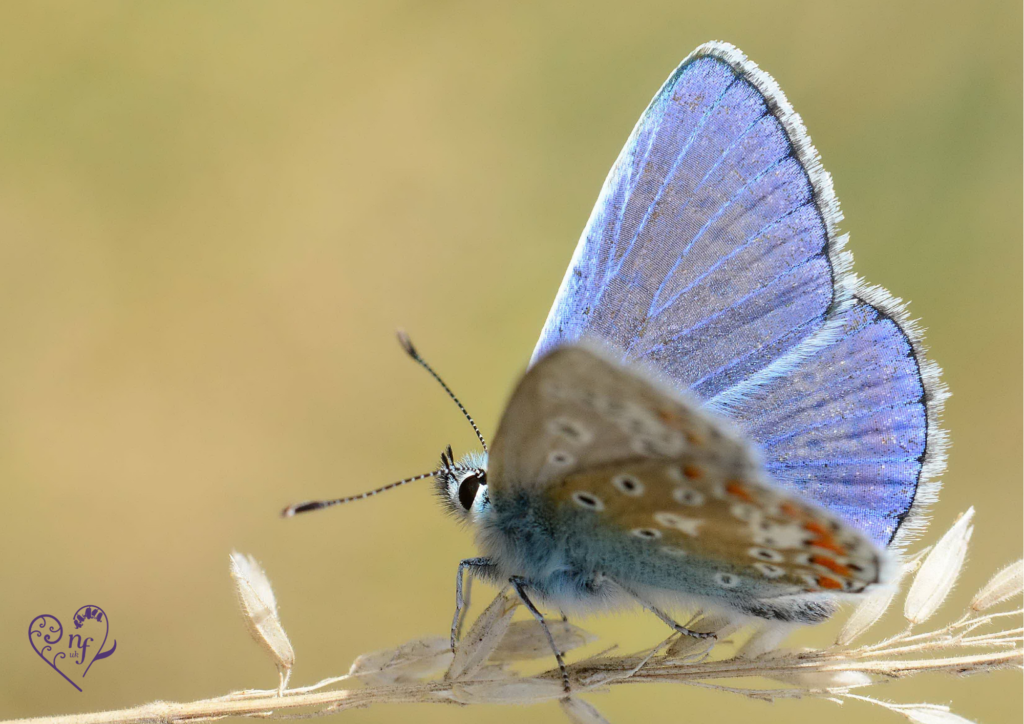
Butterflies usually have thin antennae ending in little club-shaped tips.
Moth antennae are much more varied. They can be thread-like, tapered or beautifully feathery.
Resting wings
When a butterfly lands, it will often hold its wings vertically above its body.
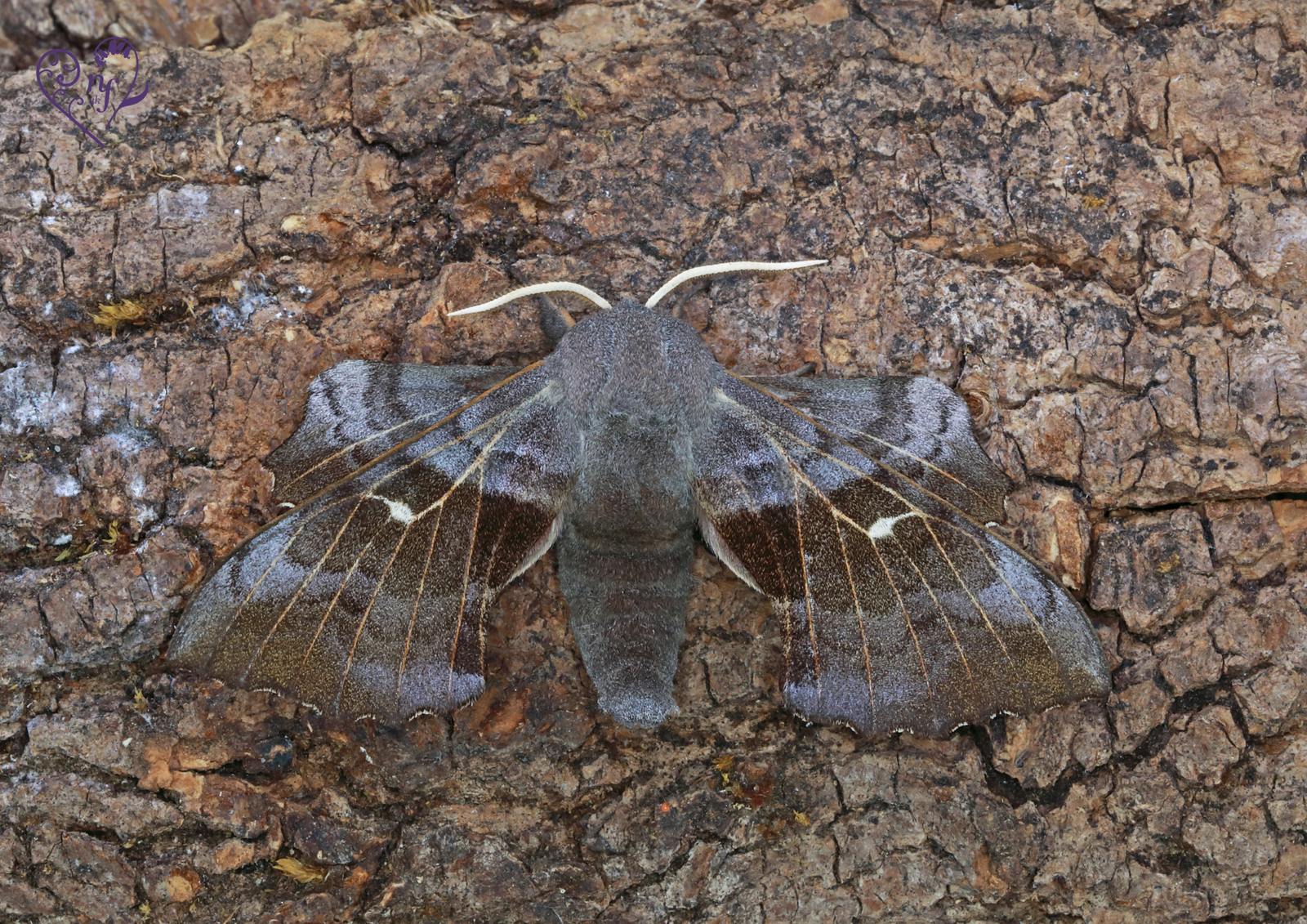
Many moths rest with their wings flat, open or held in a tent-like position.
But – and this is important – not all of them do.
Body shape
Many moths tend to have chunkier, fuzzier or fluffier bodies, while butterflies are often slimmer.
Again, though, this isn’t a hard-and-fast rule.
Time of day
Most butterflies are active during the day, while many moths are nocturnal.
But there are plenty of day-flying moths, so seeing something flying in broad daylight doesn’t automatically make it a butterfly.
Basically, think of these as clues rather than rules.
Because nature loves an exception.
Are Butterflies and Moths Actually the Same Thing?
Well… sort of.
They’re certainly extremely closely related, but butterflies and moths aren’t literally the same thing.
Both belong to Lepidoptera, and butterflies are one branch within that much larger group.
They also share the same basic lifecycle:
Egg → caterpillar → pupa → winged adult
And those beautiful wings?
They’re covered in microscopic scales.
In fact, when you look closely at a butterfly or moth wing, you’re looking at thousands upon thousands of tiny scales overlapping each other.
And here’s another thing I hadn’t really appreciated before:
There are far more moth species than butterfly species in the UK.
We have fewer than 60 resident butterfly species, but around 2,500 species of moth.
So if anything, butterflies are the unusual minority.
Who knew?!
The difference between butterflies and moths is therefore rather less straightforward than the simple “daytime = butterfly, nighttime = moth” rule many of us grew up with.
And it gets even more interesting…
Butterflies vs Moths: Nature Starts Breaking Its Own Rules
Don’t worry, the moths and the butterflies aren’t going to start fighting.
Although some butterflies are territorial, so perhaps we shouldn’t completely rule it out. 😂
But some of them are definitely rebels.
They make you question what you thought you knew, which is always interesting.
Rule No. 1: Moths only fly at night
Nope.
There are moths that are perfectly happy flying during the day.
Burnet moths are a good example, as are hummingbird hawk-moths.
And 2026 has been a bumper year for hummingbird hawk-moth sightings.
Watch my hummingbird hawk-moth video on TikTok
I can’t help wondering whether the unusually hot conditions in mainland Europe played a part in this year’s influx – although, as ever with wildlife, there’s probably more going on than one simple explanation.
Rule No. 2: Butterflies are colourful and moths are boring and brown
Also nope.
Brown is a perfectly respectable butterfly colour, thank you very much.
Take the Speckled Wood, Ringlet, Meadow Brown and Gatekeeper.
All butterflies.
All rather brown.
See my brown butterfly video on TikTok
And then we have the moths.
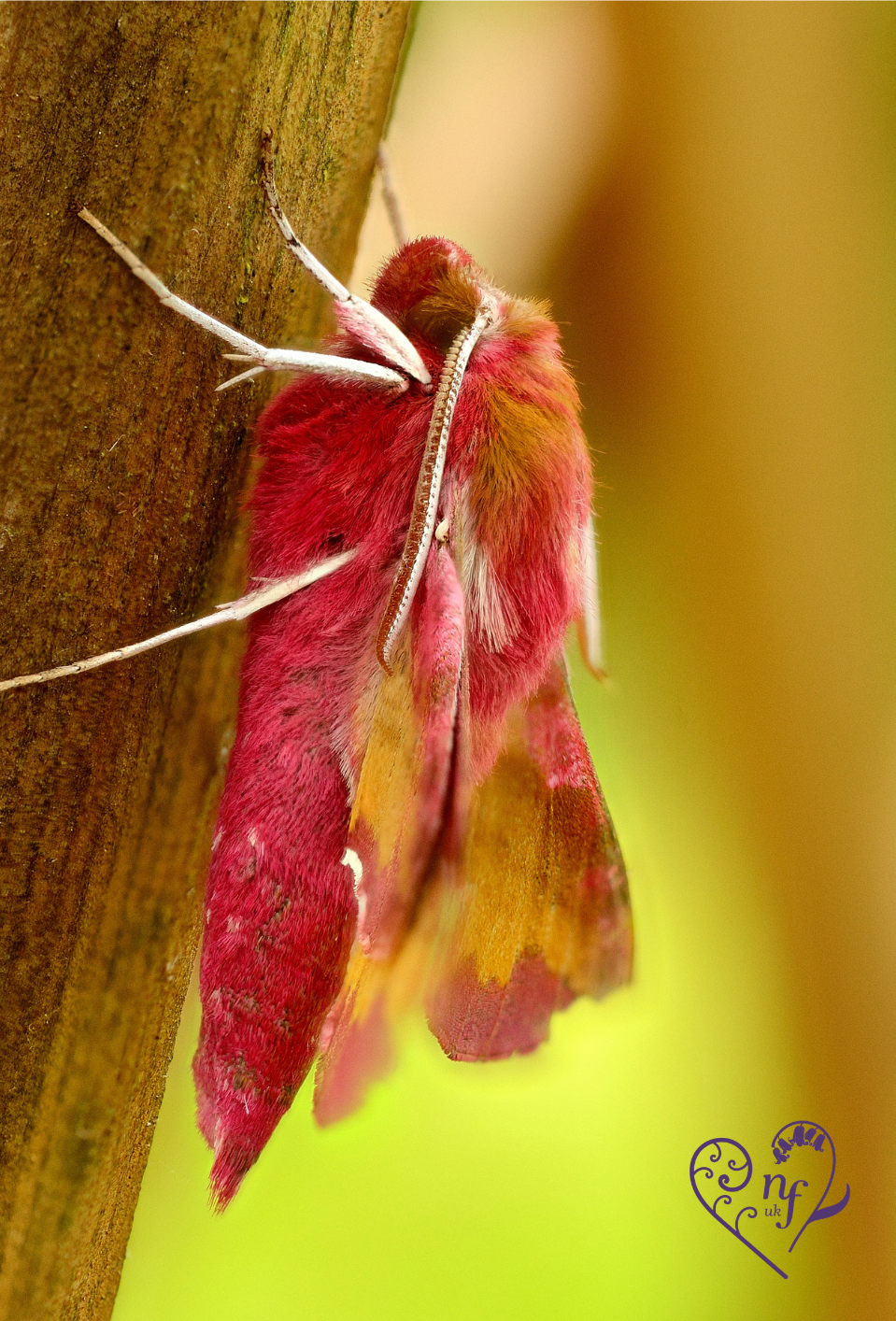
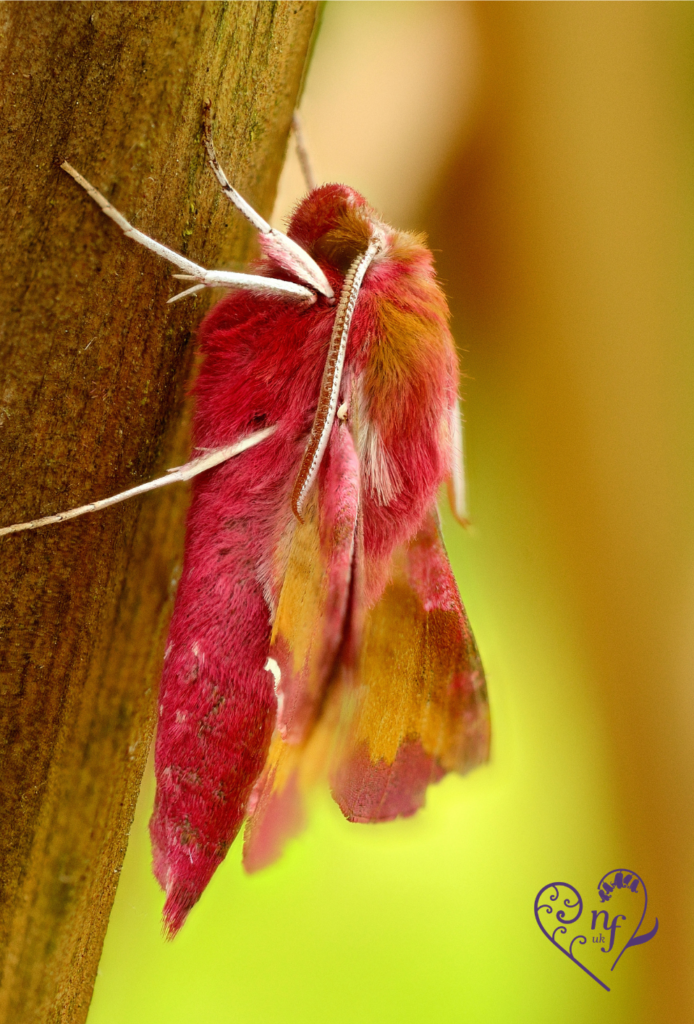
Elephant hawk-moths.
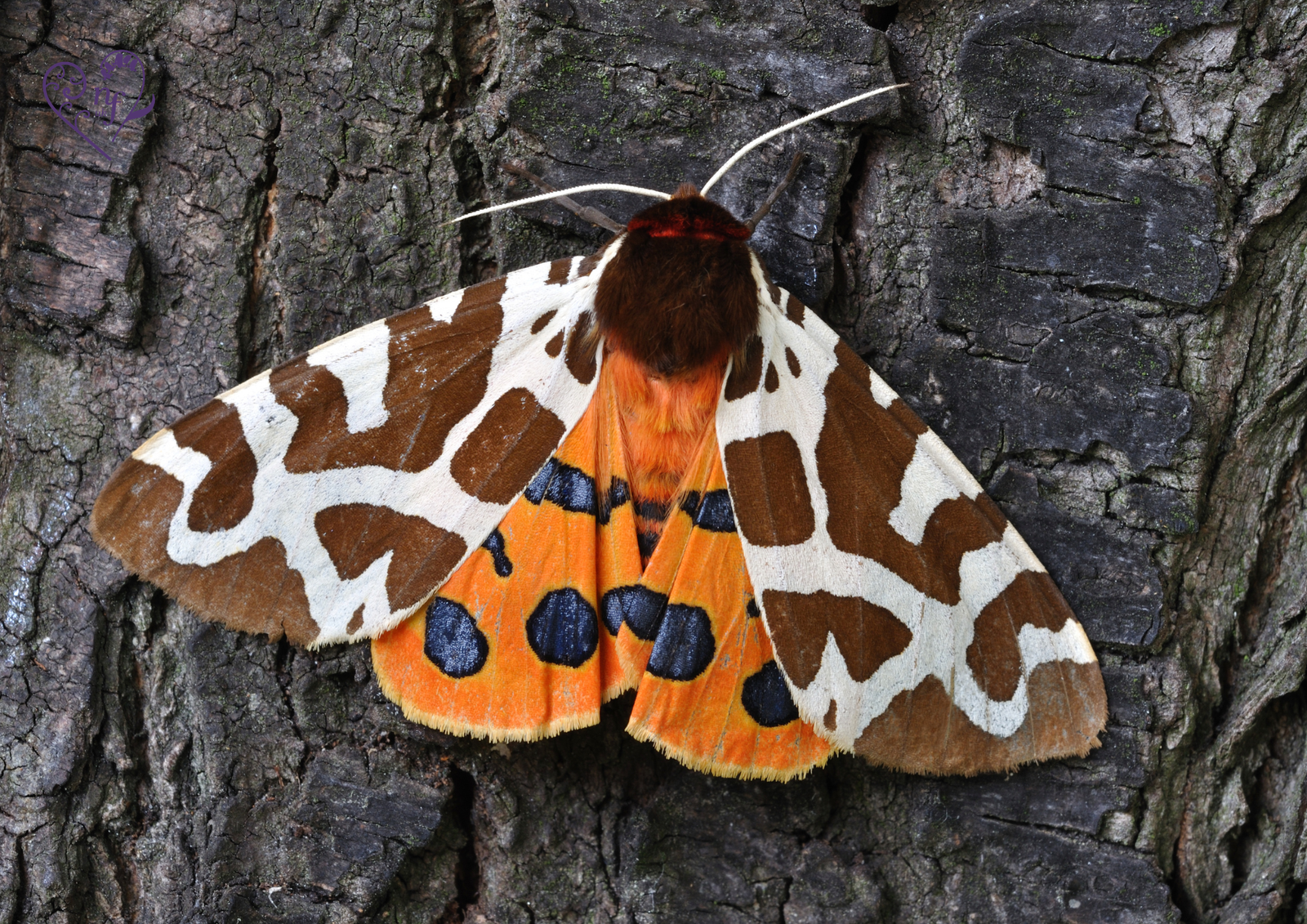
Garden tiger moths.
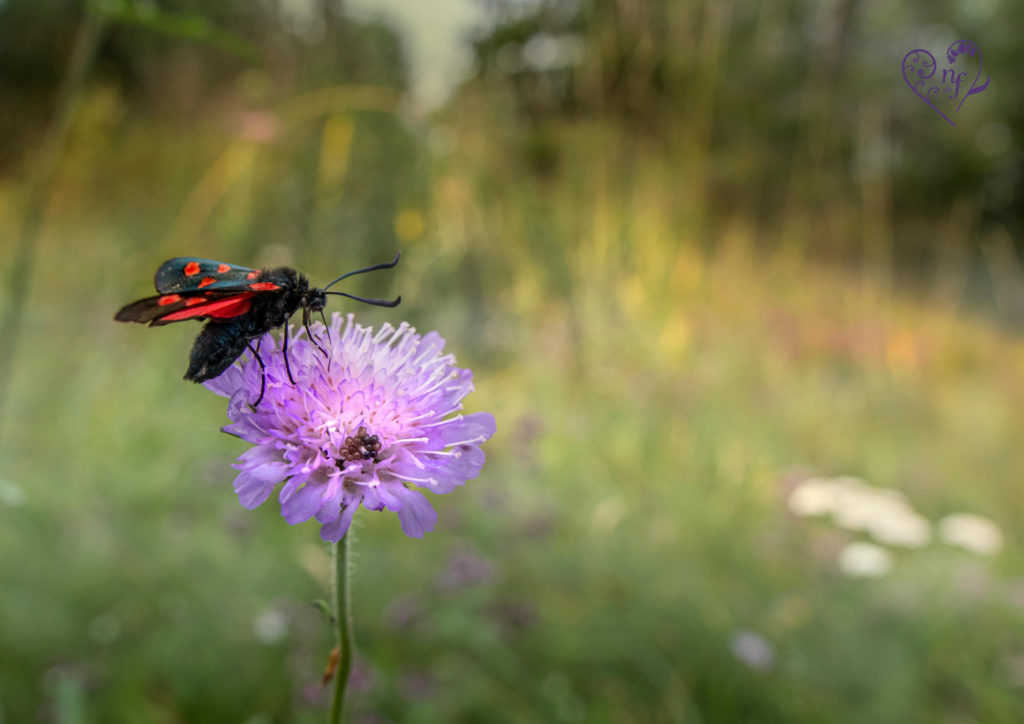
Scarlet tiger moths.
Six-spot burnets.
Pink, green, orange, black, red and metallic colours…
Some moths are spectacularly colourful.
See my colourful moth video on TikTok
Some are so colourful that if you saw one flying during the day, you might immediately assume you’d found a butterfly.
And that’s rather the point.
Rule No. 3: Moths rest with their wings open, flat or tent-like
Well…
About that.
I recently found an Early Thorn moth in my bathroom.
At first glance, I thought it was a skipper butterfly.
Then I looked properly.
The wings were held vertically like a butterfly, the body was chunkier than I would expect from a butterfly, and those delicate, feathered antennae gave the game away.
It was a moth.
See my Butterfly or Moth video on TokTok
Basically, when you’ve finally learnt how to identify them, nature immediately sends along something determined to prove you wrong.
😂
Interesting Facts About Butterflies and Moths
Once you start looking, butterflies and moths become even more fascinating.
Their wings are covered in scales
Lepidoptera literally means “scale-winged”.
Those delicate-looking wings are covered in thousands of microscopic scales.
Some of the colours come from pigments, while others are produced by the way light interacts with the tiny structures of the scales.
So that beautiful shimmer you see isn’t necessarily just a pigment.
It’s physics doing its thing.
Butterflies can taste with their feet
Yes.
Their feet contain taste receptors.
This is particularly useful for females, which can use their feet to assess plants when deciding where to lay their eggs.
Basically…
“Hmm. Is this a suitable nursery?”
Nature’s version of checking the menu.
😂
Newly emerged butterflies and moths have to get their wings ready
When an adult emerges from its pupa, its wings aren’t immediately ready for take-off.
They’re small, soft and crumpled.
The insect pumps fluid called hemolymph through the veins in its wings, helping them expand and straighten.
The wings then dry and harden before the insect takes flight.
Imagine emerging from your bedroom every morning and having to inflate your arms before you can leave the house.
😂
Some moths don’t fly at all
And this is where things get particularly interesting.
In some moth species, females have greatly reduced or non-functional wings and may remain on the ground or vegetation while males fly.
So not every adult moth is even capable of taking to the air.
Which rather puts a dent in the idea that “moth” automatically means “flying insect that crashes into your lampshade at 2am”.
Some butterflies appear to have only four legs
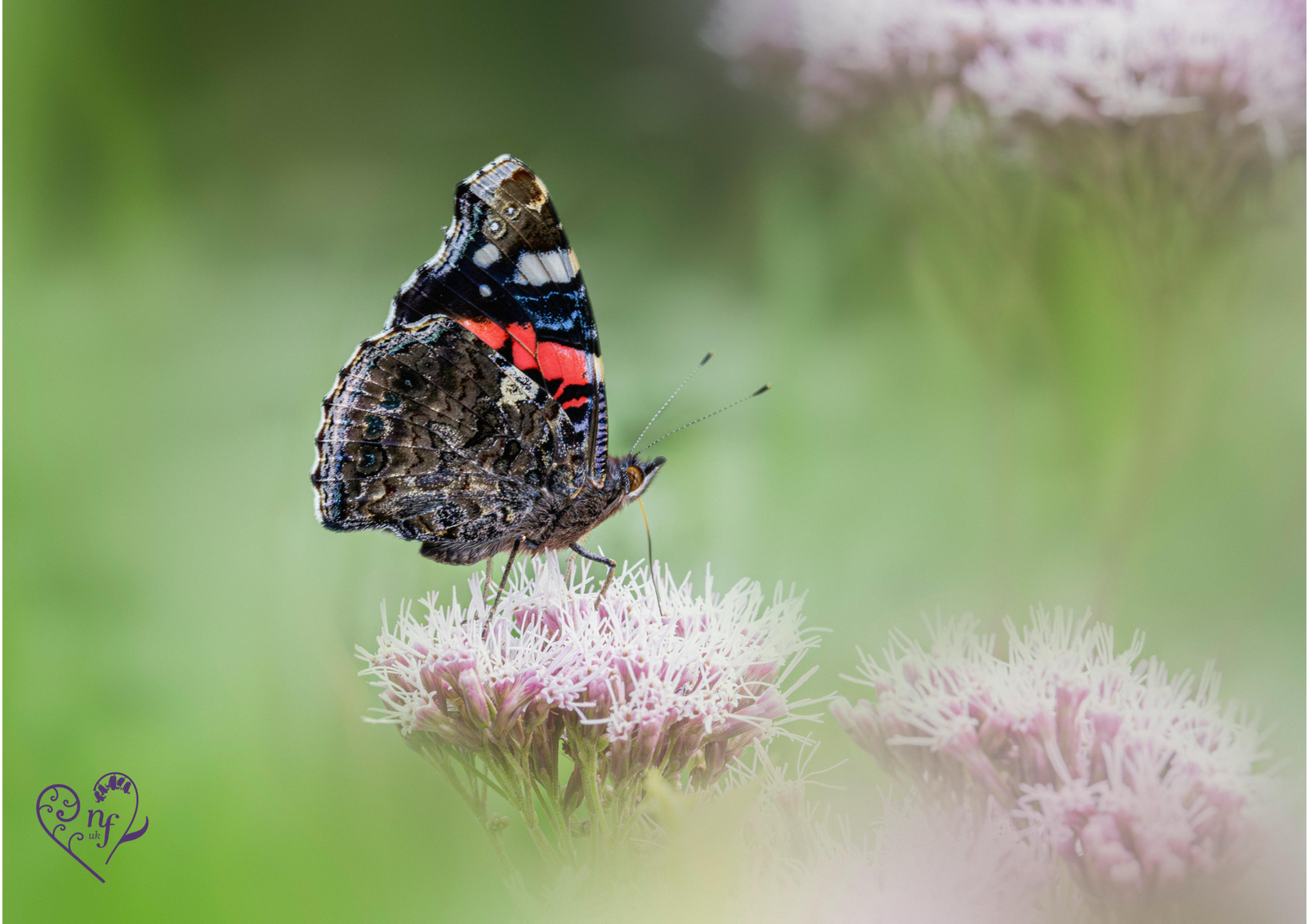
Red Admirals and Peacocks are both brush-footed butterflies.
They’re members of the family Nymphalidae, and their front pair of legs are greatly reduced and held against the body.
See my Red Admiral and Hoverflies video on TikTok
See my Red Admiral video on TikTok
So although they technically have six legs, they can look as though they’re walking around on only four.
Nature really does like adding small print.
Some adult moths don’t eat
Some moth species have reduced or non-functional mouthparts as adults.
They survive using energy reserves built up during their caterpillar stage.
The kitchen is, quite literally, permanently closed.
😂
Some moths pretend to be other animals
Some moths have evolved markings or shapes that resemble wasps or hornets.
It can be a useful form of protection because predators may be less keen to investigate something that looks as though it could sting.
And butterflies have their own visual tricks.
Peacock butterflies, for example, have large eye-like markings on their wings which may help startle or confuse predators.
Sometimes looking scary is the best defence.
See my Peacock Butterfly video on TikTok
Butterflies need warmth to fly
Butterflies are ectothermic, which means they rely on external sources of heat to warm their bodies.
That’s why you might see one sitting with its wings spread out in the sunshine.
It’s essentially charging its batteries ☀️🦋
And if you thought all of that was strange, there’s still one big question to answer:
What happens to butterflies and moths when winter arrives?
The answer is: it depends.
Different species overwinter at different stages of their lifecycle.
Some spend the winter as eggs.
Some as caterpillars.
Some as pupae.
And some survive the winter as adults.
So that moth sheltering somewhere quiet in your house isn’t necessarily doing the same thing as the species next door.
Wildlife rarely comes with one universal instruction manual.
Why Do Moths Fly Towards Lights?
“Moths love light.”
Except…
They probably don’t.
Artificial light can interfere with the way nocturnal insects navigate at night.
For a long time, moths flying towards lights were described as showing “positive phototaxis” – essentially, being attracted to light.
But research suggests the reality is more complicated.
One leading explanation is that insects use the brightest part of the night sky as a cue for orientation.
Artificial lights can completely mess with that system.
Suddenly there is an incredibly bright light source sitting on the ground, on your wall or outside your back door.
And the moth is essentially thinking:
“OOOH! LIGHT! I MUST GO TOWARDS IT!”
Except it may not actually be trying to fly towards the light at all.
Artificial lighting can interfere with feeding, mating and movement, and can make nocturnal insects more vulnerable to predators.
And it’s not just insects that can be affected.
Artificial lighting can alter the behaviour of other nocturnal wildlife too.
So one of the simplest things we can do to help is to reduce unnecessary outdoor lighting.
Use timers or motion sensors where appropriate.
Switch lights off when they’re not needed.
And let the garden get properly dark.
Because a darker garden isn’t an empty garden.
It’s a garden where nocturnal wildlife can get on with being nocturnal wildlife.
Perhaps we’ve accidentally put a very confusing moon in the wrong place.
🌙🦋
How to Tell a Butterfly From a Moth Without Becoming an Expert
By now you might be thinking:
“Right. So how am I actually supposed to know which is which?”
Well…
You don’t have to.
Honestly.
If you’re curious, there are some useful clues to help with the difference between butterflies and moths:
🦋 Antennae:
Butterflies usually have thin antennae ending in little clubs, while moth antennae are much more varied.
🦋 Wing position:
What happens when it lands? Wings held vertically? Flat? Tent-like? Useful clue — but not a rule.
🦋 Body shape:
Does it look slim and delicate, or chunkier and fluffier?
🦋 Time of day:
Daytime makes a butterfly more likely, but remember those day-flying moths.
🦋 Movement:
Watch how it flies. Fluttering? Darting? Gliding?
Again, useful information – but not a guaranteed identification. Skipper butterflies fly in a moth-like way…
See my Sunday Exhale video on TikTok
Helping UK Butterflies and Moths in Your Garden
If you want to help butterflies and moths, think beyond flowers.
A wildlife-friendly garden isn’t simply somewhere butterflies and moths come to visit.
It’s somewhere they can live.
That means thinking about the whole lifecycle.
🌿 Provide a variety of nectar-rich plants for adults.
🌱 Grow plants that caterpillars can feed on.
🐛 Accept that caterpillars are part of the process – even when they’re eating something you’d rather they didn’t!
🍂 Leave some fallen leaves and plant material where appropriate, providing shelter for insects and other wildlife.
🌾 Allow some areas of the garden to become a little wilder.
🚫 Avoid pesticides wherever possible.
🌙 Reduce unnecessary outdoor lighting.
Because the caterpillar eating your plant and the beautiful butterfly visiting your flowers are the same story.
Just different chapters.
If we only provide food for adult butterflies, we’re supporting one small part of the lifecycle.
But if we create places where insects can feed, shelter, reproduce and complete their lifecycle, we’re doing something much more valuable.
We’re helping them live here.
Flourish Challenge
Try this:
The next time something flutters past you, don’t immediately decide whether it’s a butterfly or moth.
Stop.
Watch it.
What do its antennae look like?
How are its wings held?
How does it move?
What has it landed on?
Then, if you want to, take a photograph and see if you can identify it.
And if you can’t?
You still noticed it.
That’s enough.
Conclusion
So, what is the difference between butterflies and moths?
Well…
It’s complicated.
They’re extremely closely related, sharing the same basic lifecycle and belonging to the same huge group of insects.
But the tidy little rules many of us were taught don’t always hold up.
Butterfly: colourful, daytime, elegant.
Moth: brown, nighttime, fluffy.
Except…
There are brown butterflies.
There are spectacularly colourful moths.
There are moths that fly during the day.
There are moths that look remarkably like butterflies.
There are butterflies with some rather unexpected adaptations.
And there are even moths whose adult females don’t fly at all.
In my family, moths are sometimes even called “Bob Howlers” or “bobowlers”.
It’s the Brummie in us, we aren’t completely barmy! Even Tolkein used it.
But frankly, it makes me smile.
😂
The more you look, the more those tidy categories start to unravel.
And that’s not a problem.
It’s an invitation to look again.
To notice the details.
To be curious.
To wonder what you’re seeing before immediately deciding that you already know.
You don’t have to know the name.
You don’t have to identify the species.
You don’t have to become an expert.
You just have to notice.
Because maybe nature isn’t trying to confuse us after all.
Maybe it’s just reminding us that the world rarely fits into the tidy little boxes we’d like to put it in.
And personally?
I rather like that. ❤️🌿
Notice more.
Exhale often.
Flourish, wild ones. 🦊
Clare 🌿
If you’d like to see more of how I experience nature for reset and burnout support, I’d love to share my journey with you on Instagram, Tik Tok or through my monthly newsletter.